332 North York St., Elmhurst, IL 60126



Root Canal Therapy in Elmhurst: Myths, Facts, and What to Expect

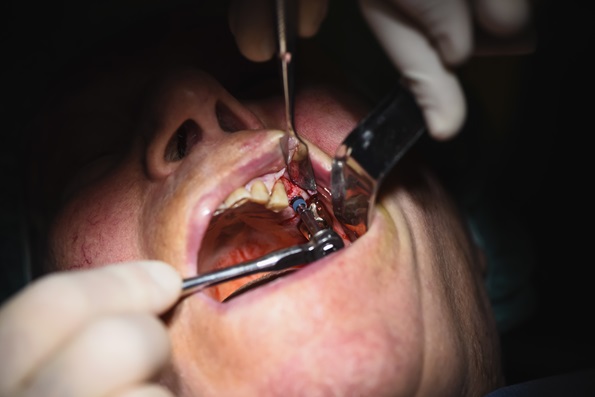
If you live in Elmhurst, you’ve probably heard someone at Brewpoint Coffee whisper about the horror of root canals. Maybe a neighbor near the Prairie Path shared a story about tooth pain that kept them up all night, or a friend admitted they delayed treatment because they were afraid of what might happen. Root canals tend to get a bad reputation, and most of the fear comes from old stories rather than modern reality.
Today, with advanced techniques and careful planning by your dentist, the treatment is more routine than people assume. The goal of this blog is simple: clear the air. We’re breaking down myths, sharing real facts, and helping Elmhurst families understand what truly happens during root canal therapy.
If you have been avoiding treatment due to fear or uncertainty, keep reading. This might change the way you think about saving a tooth.
Why Root Canal Therapy Is Needed
Root canal therapy is a procedure designed to remove infection from the inside of a tooth and save it from extraction. Inside every tooth is a soft tissue called the pulp, containing nerves and blood vessels. When deep decay, a crack, or trauma allows bacteria to enter, the pulp becomes irritated or infected. This leads to swelling, sensitivity, and the type of throbbing pain that makes chewing or even drinking cold water uncomfortable.
At this stage, cleaning and disinfecting the tooth from the inside becomes necessary to stop the spread of infection. A dentist in Elmhurst performs the treatment to help maintain the tooth structure and prevent complications like bone loss or spreading infection.
With timely care, root canal therapy allows you to keep your natural tooth rather than replacing it. Many people in Elmhurst choose this option because it maintains a natural bite and supports long-term oral health. Acting early also avoids the need for more invasive treatments later.
Myths vs Facts: Clearing the Confusion
There are many misconceptions surrounding root canal therapy, most of which are outdated. Let’s review the common myths Elmhurst residents often hear and the real facts behind them.
Myth 1 – Root Canals Are Extremely Painful
Fact: With modern anesthesia and improved techniques, most patients say the procedure feels similar to getting a routine filling. The discomfort people fear is usually the pain of infection itself, not the treatment. Once the infected pulp is removed, pain often improves quickly.
Myth 2 – Extraction Is a Better Option
Fact: Saving a natural tooth is generally the preferred approach. Extraction leaves a gap that can affect speech, chewing, and jaw alignment. Replacing teeth with bridges or implants is possible, but keeping what you have is usually simpler and more practical for long-term oral function.
Myth 3 – Root Canals Require Many Visits
Fact: In many cases, treatment is completed in one or two appointments, depending on how severe the infection is. Most Elmhurst patients are surprised by how efficient the process is and find themselves back to their daily routines with minimal downtime.
Myth 4 – Root Canals Don’t Last Long
Fact: A properly treated and restored tooth can last for years, especially when followed by a crown and good oral hygiene. Many root-canal-treated teeth function just like healthy natural teeth.
Myth 5 – Root Canals Remove the Tooth’s Root
Fact: The root stays intact. Only the infected pulp is removed. The rest of the tooth is cleaned, filled, and protected.
Myth 6 – You Can Heal a Tooth Without Treatment
Fact: Infection does not go away on its own. Pain may temporarily reduce, but the infection continues to progress. Avoiding treatment can lead to abscesses and swelling that eventually require urgent care.
What to Expect During the Procedure
Understanding the process can reduce anxiety. Root canal therapy follows a structured and comfortable approach.
Before the appointment:
You’ll receive a thorough examination, including X-rays, to identify infection and plan treatment. Your dentist in Elmhurst reviews the expected steps and answers any questions.
During the procedure:
The tooth is numbed so you remain comfortable. A small opening is made to access the infected pulp, which is then cleaned and disinfected. The space is filled and sealed to prevent bacteria from returning. Many patients choose to listen to music or relax during the appointment.
After the procedure:
Temporary tenderness is common for a day or two, usually manageable with over-the-counter pain relief. You’ll receive care instructions, including foods to avoid until the tooth is fully restored. A crown is often placed afterward to protect the tooth and strengthen it for daily chewing.
Signs You Might Need a Root Canal
Elmhurst patients often first notice these symptoms during meals or when sipping coffee:
- Sensitivity to hot or cold
- Persistent toothache or throbbing pain
- Swelling or gum abscess
- A cracked or injured tooth
- Pain or pressure when chewing or biting
If you recognize these signs, consider scheduling a visit soon. Delaying infection care can lead to increased discomfort and more complex treatment needs. Many people choose treatment early to maintain comfort during workdays, school pick-ups, and weekend outings around York Street and Wilder Park.
Benefits of Root Canal Therapy
Root canal treatment offers long-term advantages that preserve oral health and comfort.
- Saves your natural tooth rather than removing it
- Relieves pain caused by inflammation or infection
- Prevents the spread of infection to the surrounding bone or tissue
- Maintains bite alignment and prevents shifting of nearby teeth
- Supports long-term oral health and normal chewing function
Restoring a tooth instead of losing it helps preserve facial structure and bite balance. Many Elmhurst residents choose root canals so they can continue enjoying dinners at local favorites, weekend meet-ups, and everyday routines without discomfort. Treatment helps you return to normal quickly and prevents dental problems from interfering with your lifestyle.
If you have been experiencing sensitivity, swelling, or persistent tooth pain, it may be time to take the next step. Learning the truth about root canal therapy can help you make a calm and confident decision about your oral health. With modern care, the procedure is far easier than the myths suggest and offers a chance to save your natural tooth before infection spreads.
Whether you’re just gathering information or ready to schedule an appointment, our team is here to help you feel comfortable from the moment you walk in. Contact our dentist for guidance and treatment options that fit you, your schedule, and your smile goals. Book a visit today and take the first step toward relief, healing, and a healthier smile in Elmhurst.
FAQs
1. What if pain worsens after treatment?
Contact the office if discomfort increases or does not improve. Prompt evaluation helps address issues early.
2. Can I return to work the same day?
Yes, most people resume regular activities shortly after their appointment.
3. Will the tooth feel different afterward?
Once healed, it should feel similar to your regular teeth during chewing and talking.
4. What causes tooth pulp infection?
Untreated cavities, cracks, repeated dental work, or facial injuries can expose pulp to bacteria.
5. How soon can I eat normally?
Soft foods are recommended for the first day. Avoid chewing hard items until the crown is placed.