332 North York St., Elmhurst, IL 60126



Dental Implants vs. Dentures & Bridges in Elmhurst, IL

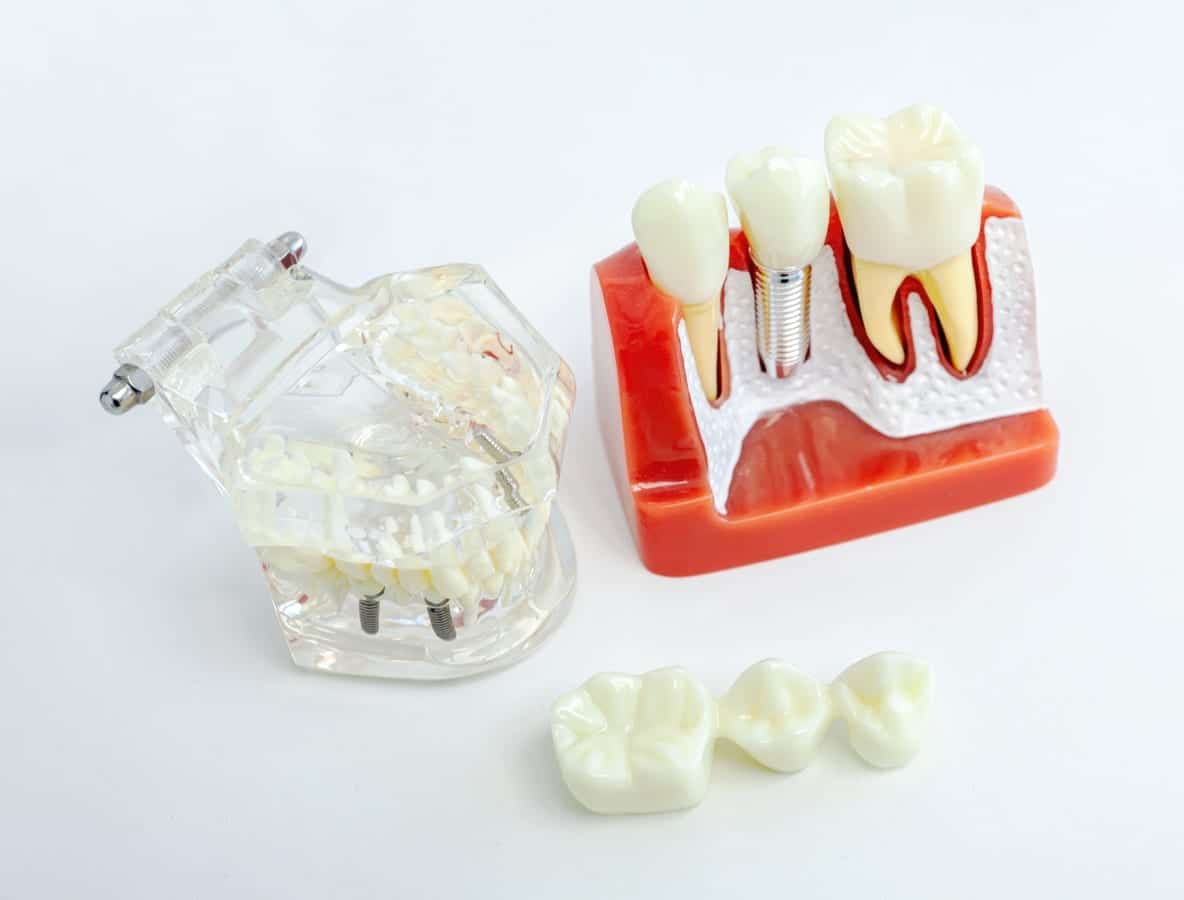
Losing a tooth — or several — is one of the most stressful dental situations a person can face. If you live in Northlake and are weighing your options, the question of dental implants vs. dentures and bridges comes up quickly. Each solution has real advantages. But the right choice depends on your health, your lifestyle, and your long-term goals. This guide breaks down all three options so you can make a confident, informed decision.
Understanding Your Three Main Tooth Replacement Options
Before comparing them, it helps to understand what each option actually is. Knowing the basics makes the decision far less overwhelming.
Dental implants are titanium posts surgically placed into the jawbone. They act as artificial tooth roots. A crown is attached on top, creating a restoration that looks and functions like a natural tooth.
Dentures are removable appliances that replace multiple or all missing teeth. They rest on the gums and can be taken out for cleaning. They are a time-tested solution with a lower upfront cost.
Dental bridges are fixed restorations that span a gap left by one or more missing teeth. They anchor to the natural teeth on either side of the gap. Unlike dentures, bridges are cemented in place and not removable.
How Dental Implants Compare to Dentures for Northlake Patients
When comparing dental implants vs. dentures and bridges, implants and dentures are often the first pair people evaluate. The differences go far beyond appearance.
Implants integrate with your jawbone through a process called osseointegration. This preserves bone density over time. Dentures, by contrast, sit on top of the gums and do not stimulate the bone. Over years, this can lead to bone loss and changes in facial shape.
Here is a side-by-side look at implants vs. dentures:
- Stability: Implants are fixed and permanent. Dentures can slip or shift.
- Bone health: Implants preserve jawbone. Dentures allow gradual bone loss.
- Maintenance: Implants are brushed like natural teeth. Dentures require removal and soaking.
- Longevity: Implants can last a lifetime with care. Dentures typically need replacement every 5–10 years.
- Diet: Implants allow you to eat virtually anything. Dentures may limit harder or stickier foods.
Dentures remain a strong choice for patients who are not candidates for surgery. They also work well when multiple teeth are missing and cost is a primary factor.
Bridges vs. Implants: What Northlake Patients Need to Know
Bridges are a popular middle-ground option. They are fixed, affordable, and effective. But they come with trade-offs that are worth understanding before committing.
A traditional bridge requires your dentist to file down the adjacent healthy teeth. Those teeth become anchors, or abutments, for the bridge. This permanently alters teeth that were otherwise healthy. An implant, on the other hand, stands completely on its own.
Bridges also do not prevent bone loss in the gap area. The missing tooth root means the underlying bone slowly resorbs over time. Implants stimulate the bone just like a natural root does, preventing that process.
That said, bridges are an excellent option when the neighboring teeth already need Crowns or significant restoration. In those cases, using them as bridge anchors makes practical sense. Your dentist can evaluate whether your adjacent teeth are healthy enough to support a bridge long-term.
Which Option Is Right for Your Situation?
There is no single answer that fits every patient. The right choice depends on several personal and clinical factors. Here is a simple framework to help guide your thinking.
Consider dental implants if you:
- Are in good general health and have adequate jawbone density
- Want a permanent, low-maintenance solution
- Are missing one or a few individual teeth
- Want to protect your remaining bone and facial structure
- Are a non-smoker or willing to quit before the procedure
Consider dentures if you:
- Are missing most or all of your teeth
- Have significant bone loss that makes implants more complex
- Need a faster or more budget-friendly solution right now
- Prefer a non-surgical approach
Consider a bridge if you:
- Are missing one or two teeth in a row
- Have healthy adjacent teeth that can serve as anchors
- Want a fixed solution without surgery
- Need treatment completed more quickly
Some patients also choose implant-supported dentures. This hybrid option uses a small number of implants to anchor a full denture securely. It offers more stability than traditional dentures while being less involved than a full arch of individual implants.
What the Treatment Process Looks Like
Understanding the timeline for each option helps set realistic expectations. Implants take the longest — typically several months from placement to final crown. The process involves healing time for the implant to fuse with the bone. Some patients require bone grafting before placement, which adds additional time.
Bridges are typically completed in two to three visits over a few weeks. Your dentist prepares the anchor teeth, takes impressions, and places a temporary bridge while the permanent one is fabricated.
Traditional dentures involve impressions and fittings over several weeks. Immediate dentures can be placed the same day as extractions, though they often require adjustment as healing progresses.
It is also worth noting that dental issues like decay or infection must be treated before any restoration. That may include Root Canal Therapy on a tooth that will serve as a bridge anchor. Your dentist will create a complete treatment plan before any work begins.
Making the Decision with Dr. Michael Cosmos
If you are a patient in Northlake weighing dental implants vs. dentures and bridges, you do not have to figure this out alone. Dr. Michael Cosmos and the team at Cosmos Morden Dental take time to evaluate your full oral health picture. They consider your bone density, your existing teeth, your medical history, and your personal goals.
There is no one-size-fits-all answer. But with a thorough consultation, the right path becomes much clearer. Many Northlake patients are surprised to learn they are strong implant candidates — or that a bridge may serve them better in their specific situation.
Whatever you decide, taking action now protects your remaining teeth, your bone, and your quality of life. The longer a gap goes untreated, the more your surrounding teeth and bone can shift and deteriorate. Book Now to schedule your appointment with our team.
Frequently Asked Questions
Are dental implants painful to get?
Most patients report that the implant procedure is more comfortable than they expected. Local anesthesia is used throughout the process. Mild soreness after the procedure is normal and manageable with over-the-counter pain relief. Your dentist will walk you through exactly what to expect before any work begins.
How long do dental implants last compared to bridges and dentures?
Dental implants can last a lifetime with proper care and good oral hygiene. Bridges typically last 10 to 15 years before they may need replacement. Dentures usually need to be relined or replaced every 5 to 10 years as the gum and bone shape changes over time.
Can I get dental implants if I have bone loss in my jaw?
Some bone loss does not automatically disqualify you from implants. Bone grafting procedures can rebuild jawbone density in many cases. Your dentist will take X-rays and evaluate the extent of the bone loss before recommending a treatment plan. Many patients with moderate bone loss are still good implant candidates after grafting.
Is it possible to replace all my teeth with implants instead of dentures?
Yes, full-arch implant solutions are available for patients who have lost all or most of their teeth. Options like implant-supported dentures or full-arch fixed bridges offer a more stable alternative to traditional dentures. These options use a smaller number of strategically placed implants to support an entire arch of teeth. Your dentist can help you determine which full-arch option suits your bone density and overall health.
What happens if I do not replace a missing tooth at all?
Leaving a gap untreated causes more problems over time. Neighboring teeth tend to shift or tilt into the empty space. This affects your bite and can lead to jaw pain, uneven wear, and additional tooth loss. Bone in the gap area also begins to resorb without a root to stimulate it, which can affect the shape of your face and make future restorations more complex.