332 North York St., Elmhurst, IL 60126


Tooth Pain at 2 AM? Your Real Options Beyond the ER

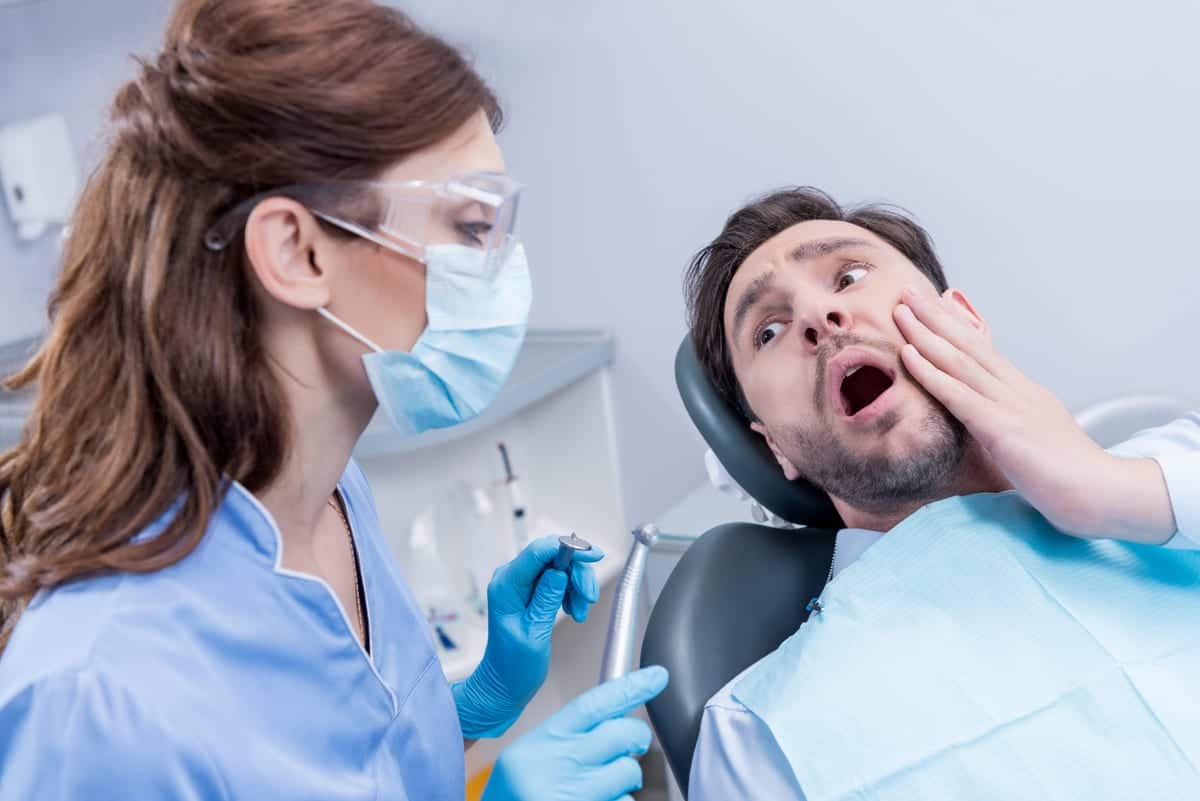
It happens to so many people in Elmhurst, IL. You wake up at 2 AM with a throbbing tooth and no idea what to do. Tooth pain at 2 AM and your real options beyond the ER in Elmhurst are more plentiful than you might think. You don’t always have to rush to the emergency room — and in most dental cases, you probably shouldn’t.
This guide walks you through what to do, what to avoid, and when to call a dentist first thing in the morning. Dr. Michael Cosmos and the team at Cosmos Morden Dental want you to feel prepared, not panicked.
Why the ER Is Usually Not the Best Option for Tooth Pain in Elmhurst
Most hospital emergency rooms are not equipped to treat dental problems directly. They can manage your pain with medication, but they cannot fix a cracked tooth or perform a root canal. You may wait hours only to leave with a prescription and the same problem.
ER visits for dental pain are also costly and often unnecessary. Dentists are trained specifically for exactly these situations. Unless you have facial swelling spreading toward your throat or airway, a dental office is almost always the better call.
If you are experiencing difficulty breathing or swallowing alongside tooth pain, that is a medical emergency. In that case, go to the ER immediately. Otherwise, read on for smarter options.
What to Do When Tooth Pain Strikes After Hours
The first step is to stay calm. Dental pain feels urgent, and it is — but panicking makes it worse. Here are practical steps you can take right now to manage discomfort until your dentist opens:
- Rinse with warm salt water — This reduces inflammation and flushes out bacteria around the painful area.
- Take over-the-counter pain relief — Ibuprofen works better than acetaminophen for dental inflammation. Follow dosage instructions carefully.
- Apply a cold pack to your cheek — Use it in 20-minute intervals to reduce swelling. Never apply heat to a swollen jaw.
- Use clove oil or OTC dental gel — These contain eugenol, a natural numbing agent. Apply a small amount directly to the gum near the painful tooth.
- Sleep with your head elevated — Lying flat increases blood pressure to the head, which can intensify throbbing pain.
- Avoid very hot or cold foods and drinks — Temperature extremes can trigger sharp spikes in pain, especially if a nerve is exposed.
These steps will not fix the underlying problem. They are meant to get you through the night comfortably. Call your dental office as soon as it opens in the morning.
Common Causes of Sudden Nighttime Tooth Pain
Understanding what might be causing your pain helps you communicate clearly with your dentist. It also helps you decide how urgently you need to be seen. Here are the most common causes of after-hours dental pain:
- Tooth decay reaching the nerve — Deep cavities can expose the pulp, causing intense, constant pain.
- Cracked or fractured tooth — A crack can be invisible but extremely painful, especially when biting down.
- Dental abscess — A bacterial infection at the root or gum. This often causes throbbing, swelling, and even fever. This one needs prompt attention.
- Lost or damaged filling or crown — Exposed tooth structure becomes hypersensitive to temperature and pressure.
- Teeth grinding (bruxism) — Many people grind at night without realizing it, leading to jaw and tooth soreness by morning.
A dental abscess is the condition that warrants the most urgency. If you notice facial swelling, a bad taste in your mouth, or fever alongside your tooth pain, contact an emergency dental line or seek care promptly.
Root Canal Therapy and What It Means for After-Hours Pain Relief
If your pain is coming from an infected or deeply decayed tooth, Root Canal Therapy Elmhurst patients often ask about is usually the definitive solution. A root canal removes the infected pulp inside the tooth and seals it against further infection. Most patients feel significantly better within a day or two after the procedure.
Root canals have a reputation for being painful. In reality, the procedure itself relieves pain — the infection is the source of your discomfort. Modern techniques and local anesthesia make the treatment far more comfortable than most people expect.
If you suspect your nighttime pain is coming from an infected tooth, make a morning appointment a priority. Delaying treatment on a dental abscess can allow the infection to spread. That is when things become truly serious.
How Cosmetic and Restorative Treatments Prevent Future Emergencies
Many after-hours dental emergencies are the result of untreated decay, old restorations, or neglected cracks. Addressing these issues proactively through regular dental visits dramatically reduces your risk of 2 AM wake-up calls. Cosmetic Dentistry Elmhurst patients explore can also strengthen vulnerable teeth through bonding, crowns, and other restorative options.
Dental crowns, for example, protect weakened or cracked teeth from breaking further. Dental bonding can seal small chips before they become larger fractures. These treatments are investments in comfort and long-term dental health.
Staying current with your dental cleanings also helps your dentist catch problems early. What starts as a small cavity is much easier — and less painful — to treat than an abscess that erupts at midnight.
Calling Cosmos Morden Dental the Morning After
When morning finally comes, call your dental office right away. Describe your symptoms clearly — when the pain started, whether it is constant or comes in waves, if there is swelling, and what has helped or made it worse. This helps the team triage your situation accurately.
At Cosmos Morden Dental in Elmhurst, IL, Dr. Michael Cosmos and his team make every effort to see patients with urgent dental pain as quickly as possible. You should never feel like you have to just wait it out for days. Dental pain is real and it deserves real, prompt attention.
The goal after any dental emergency is not just to stop the pain. It is to address the underlying cause so it does not happen again. A thorough examination and the right treatment plan make all the difference in your long-term comfort.
You deserve to sleep through the night without tooth pain. Book Now to schedule your appointment with our team.
Frequently Asked Questions
Should I go to the ER for tooth pain at night?
In most cases, no. Hospital emergency rooms are not equipped to treat dental problems directly. They can offer pain relief medication, but they cannot perform dental procedures. The exception is if you have severe facial swelling affecting your airway, difficulty breathing or swallowing, or a high fever — those are medical emergencies. Otherwise, manage your pain overnight with the tips in this article and call a dentist first thing in the morning.
What is the fastest way to stop tooth pain at home?
Taking ibuprofen as directed is typically the most effective short-term option, as it targets both pain and inflammation. Rinsing with warm salt water can also help soothe irritated gum tissue. Applying a small amount of clove oil or an over-the-counter dental numbing gel directly to the painful area provides temporary relief as well. Keep your head elevated when you sleep to reduce throbbing.
How do I know if my tooth pain is a dental emergency?
Signs that your tooth pain needs urgent dental attention include visible swelling in your face or jaw, a persistent bad taste or smell in your mouth, fever, or pain that does not respond to over-the-counter medication. A dental abscess in particular can become dangerous if left untreated for too long. When in doubt, call your dentist as early as possible to describe your symptoms and get guidance.
Can a cracked tooth cause sudden nighttime pain?
Yes, absolutely. A cracked tooth may feel fine during the day when biting pressure is distributed, but pain can intensify at night. Changes in temperature from food and drink, grinding during sleep, and shifts in blood pressure when lying down can all make a cracked tooth much more painful after hours. Your dentist can evaluate the crack and recommend treatment — often a crown — to protect the tooth.
How soon should I be seen after a night of tooth pain?
You should contact your dental office as soon as it opens the following morning. Most dental practices prioritize patients experiencing acute pain and will make every effort to fit you in on the same day. Waiting several days is not advisable, especially if you suspect an infection. Early treatment is nearly always easier, less invasive, and more comfortable than treating a problem that has been allowed to worsen.