332 North York St., Elmhurst, IL 60126


Teeth Whitening Sensitivity: Why It Happens and How to Prevent It


Teeth whitening is one of the most popular cosmetic dental treatments available today. But for many patients in Elmhurst, sensitivity during or after whitening can be a real concern. Understanding teeth whitening sensitivity — why it happens and how to prevent it — can help you feel confident before your next appointment. At Cosmos Morden Dental, Dr. Michael Cosmos helps patients achieve brighter smiles comfortably and safely.
Why Does Teeth Whitening Cause Sensitivity?
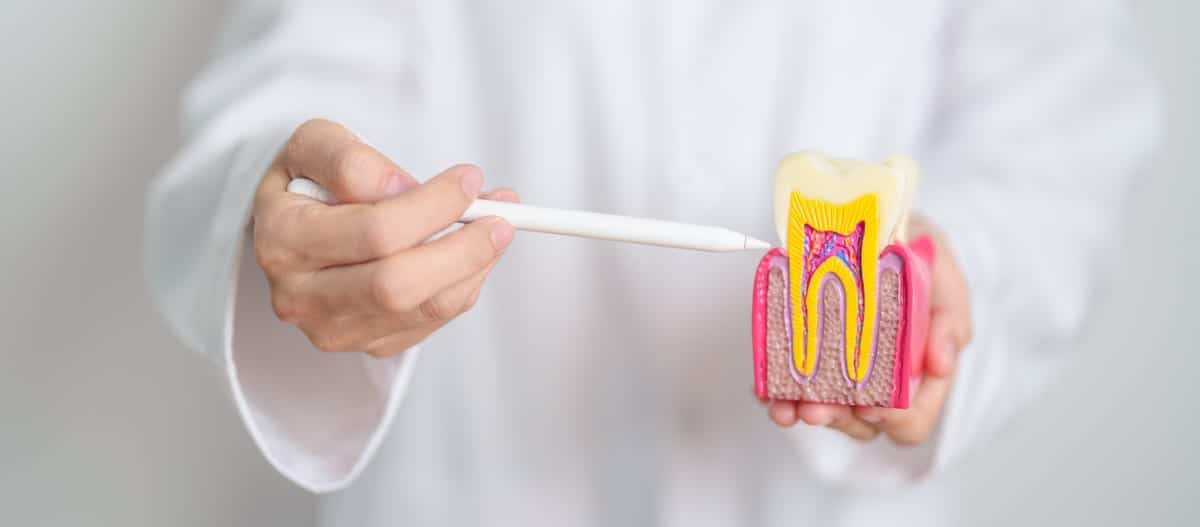
Whitening products use peroxide-based gels to break down stains on your enamel. These gels temporarily open tiny pores in the enamel called dentinal tubules. When those tubules are open, temperature changes and pressure can reach the nerves inside your tooth. That is what causes the short, sharp sensation many people describe as sensitivity.
Not everyone experiences sensitivity equally. Patients with naturally thin enamel or existing tooth wear tend to feel it more. Gum recession can also expose root surfaces that are more sensitive by nature. If you already have sensitive teeth, it is especially important to talk with Dr. Cosmos before starting any whitening treatment.
The concentration of the whitening agent also plays a role. Higher-concentration products produce faster results but can trigger more sensitivity. Professional treatments balance effectiveness with safety in ways that over-the-counter strips simply cannot match.
How Dentists in Elmhurst Minimize Whitening Sensitivity
Professional teeth whitening through Cosmetic Dentistry Elmhurst services gives you a key advantage — expert oversight. Dr. Cosmos evaluates your teeth before any whitening begins. He checks enamel thickness, gum health, and existing restorations to identify risk factors early.
Here is what a professional whitening appointment typically involves to reduce sensitivity:
- A thorough exam to rule out cavities or cracked teeth before treatment
- Application of a protective barrier to shield your gums
- Use of professionally formulated gels with controlled peroxide concentrations
- Shorter application times adjusted to your sensitivity level
- Post-treatment fluoride application to help close open dentinal tubules
These steps make a significant difference. Over-the-counter whitening kits do not include any of these protections. Patients who whiten at home without guidance often experience unnecessary discomfort that could have been avoided.
What You Can Do at Home to Prevent Sensitivity
Your habits before and after whitening directly affect how comfortable the experience feels. Preparation matters just as much as the treatment itself. Fortunately, there are several practical steps you can take at home.
Consider these tips to reduce whitening sensitivity on your own:
- Switch to a sensitivity toothpaste at least two weeks before your appointment
- Avoid very hot or cold foods and drinks for 48 hours after whitening
- Skip acidic foods like citrus and vinegar-based items right after treatment
- Use a soft-bristled toothbrush and gentle brushing pressure
- Ask Dr. Cosmos about take-home fluoride gel to use the evening after whitening
Sensitivity toothpastes containing potassium nitrate or stannous fluoride are especially helpful. They work by blocking the dentinal tubules and calming nerve activity over time. Starting them early gives them a chance to build up a protective effect before your treatment.
When Sensitivity After Whitening Is a Warning Sign
Some degree of temporary sensitivity is normal and expected. It usually fades within 24 to 72 hours after treatment. However, certain symptoms should prompt you to call your dental office right away.
Watch for these signs that something may need attention:
- Sensitivity that lasts longer than three to four days
- Sharp, lingering pain rather than brief, passing twinges
- Gum soreness or white spots on the gum tissue
- Pain that worsens rather than gradually improves
Prolonged or severe pain after whitening can indicate an underlying issue. A cracked tooth, a cavity, or an exposed root surface may have gone undetected. If you experience any of these symptoms, Emergency Dentistry Elmhurst services at Cosmos Morden Dental can help you get evaluated promptly.
Dr. Cosmos and his team take post-treatment discomfort seriously. Never hesitate to reach out if something does not feel right after your whitening appointment.
Is Professional Whitening the Right Choice for You?
Not every patient is a candidate for teeth whitening. Patients with severe enamel erosion, untreated cavities, or certain restorations may need alternative cosmetic options. Dr. Cosmos will review your full dental history before recommending any whitening approach.
For most healthy adults in Elmhurst, professional whitening is both safe and effective. The results tend to last longer than at-home kits and come with significantly less risk of irritation. When whitening is done correctly, sensitivity is manageable and temporary.
If whitening is not the right fit for you, other cosmetic options like dental bonding or veneers can achieve a beautiful, bright smile without any sensitivity concerns. Your comfort and long-term dental health always come first at Cosmos Morden Dental.
Conclusion
Teeth whitening sensitivity is common, but it does not have to stop you from achieving the smile you want. Understanding why sensitivity happens — and how to prevent it — puts you in control of your experience. With professional guidance from Dr. Michael Cosmos and the right at-home habits, whitening in Elmhurst can be comfortable and rewarding. Book Now to schedule your appointment with our team.
Frequently Asked Questions
How long does teeth whitening sensitivity last?
For most patients, sensitivity after a professional whitening treatment fades within 24 to 72 hours. If discomfort continues beyond three to four days, contact your dentist for an evaluation.
Can I whiten my teeth if I already have sensitive teeth?
Yes, in many cases you can. Dr. Cosmos will assess your teeth first and may recommend desensitizing treatments before whitening. Adjusting the gel concentration and application time can also make the process more comfortable for sensitive patients.
Is professional whitening safer than at-home kits for sensitive teeth?
Professional whitening offers significantly more safety for sensitive teeth. A dentist evaluates your oral health first, uses controlled formulations, and applies protective barriers to your gums. At-home kits do not include these safeguards.
What foods should I avoid after teeth whitening to reduce sensitivity?
Avoid hot and cold beverages, acidic foods like citrus fruits and tomatoes, and dark-pigmented foods for at least 48 hours after whitening. These items can worsen sensitivity and stain your newly whitened teeth before the enamel pores have closed.
How often can I safely whiten my teeth?
Most dentists recommend professional whitening no more than once or twice per year. Whitening too frequently can weaken enamel over time and increase the risk of long-term sensitivity. Dr. Cosmos will advise a schedule based on your individual dental health.