332 North York St., Elmhurst, IL 60126

How Sugars & Carbs May Be Hurting Your Smile—and What to Watch For

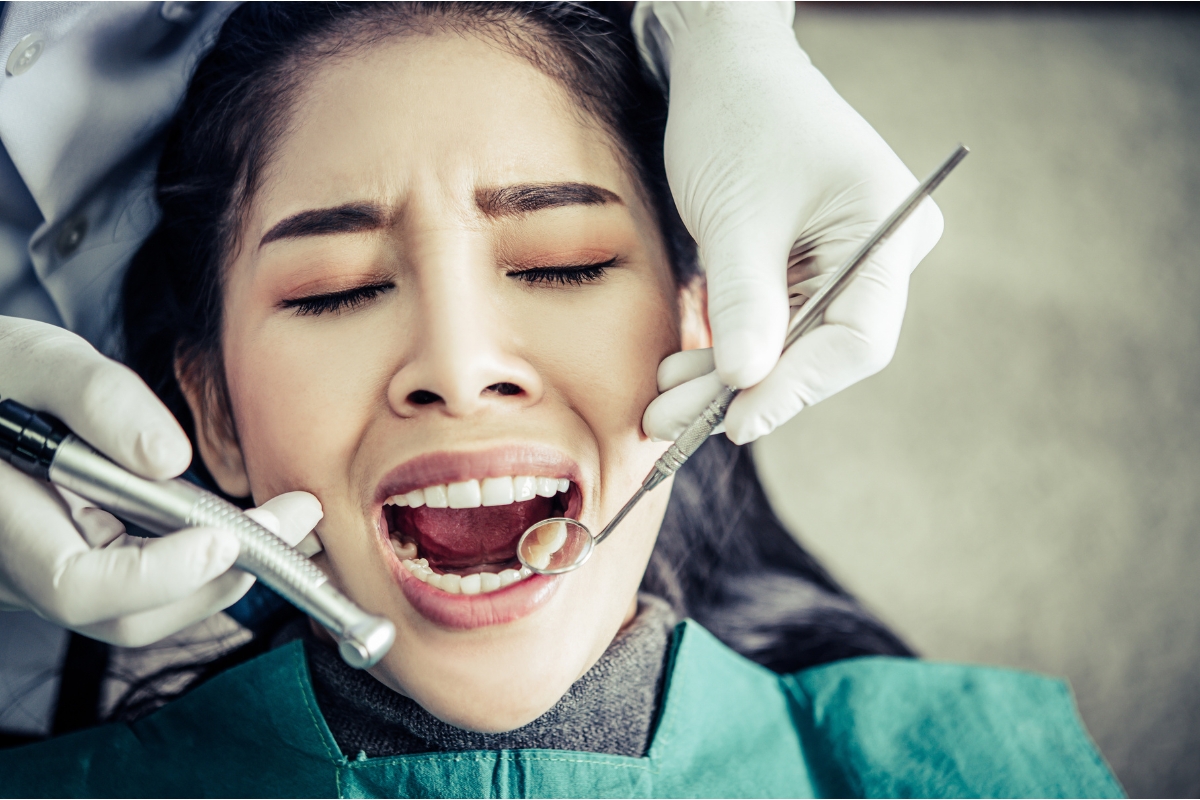
Most people know sugar isn’t great for teeth—but the full story is more complex. It’s not just candy or soda; everyday carbohydrates like bread, pasta, and even “healthy” snacks can quietly impact your oral health. Over time, these foods may contribute to tooth decay, sensitivity, and gum issues without obvious early warning signs.
If you’ve ever wondered why cavities keep coming back despite brushing, your diet could be the missing piece. In this guide from Cosmos Modern Dental – Elmhurst, we’ll explain how sugars and carbs affect your teeth, what symptoms to watch for, and how to protect your smile with simple, practical habits—straight from a trusted Dentist Elmhurst perspective.
How Sugars and Carbohydrates Affect Your Teeth
The Science Behind Tooth Decay
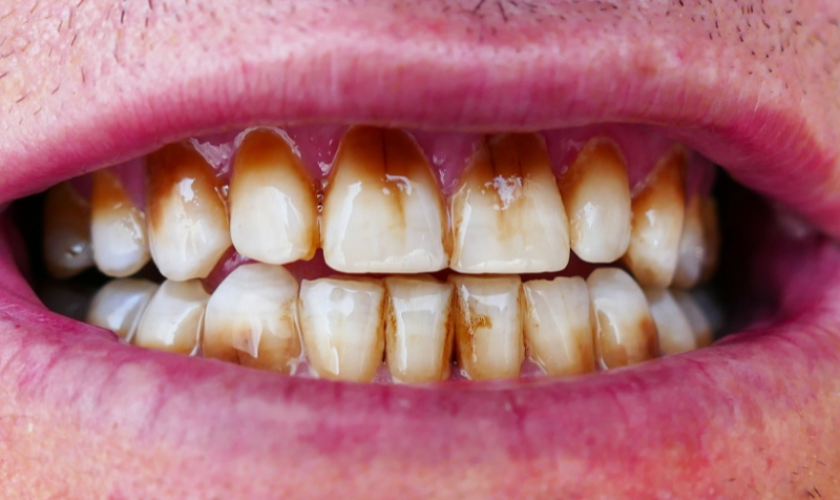
When you eat sugar or refined carbohydrates, bacteria in your mouth feed on them. This process produces acids that attack your tooth enamel—the protective outer layer of your teeth.
Over time, repeated acid exposure can lead to:
- Enamel erosion
- Cavities (tooth decay)
- Increased tooth sensitivity
Why Carbs Are Just as Harmful as Sugar
It’s a common misconception that only sugary foods cause cavities. In reality, carbohydrates—especially refined ones—break down into sugars in your mouth.
Examples include:
- White bread
- Chips
- Pasta
- Crackers
These foods tend to stick to teeth, giving bacteria more time to produce harmful acids.
Hidden Sources of Sugar and Carbohydrates
Many patients are surprised to learn how often they consume sugar without realizing it. Beyond obvious sweets, watch for these common culprits:
Everyday Foods That Can Harm Your Smile
- White bread and refined grains
- Crackers and chips
- Sweetened yogurt
- Breakfast cereals
- Fruit juices and smoothies
- Soft drinks and sports drinks
These foods tend to stick to your teeth or break down quickly into sugar, increasing the risk of acid attacks.
Signs Your Diet May Be Affecting Your Oral Health
Your mouth often gives early warning signs when something isn’t right. Paying attention can help you act before serious damage occurs.
What to Watch For
- Frequent cavities despite regular brushing
- Tooth sensitivity to hot, cold, or sweet foods
- Bad breath that doesn’t go away
- Visible plaque buildup
- Gum redness or bleeding
If you’re noticing these symptoms, it may be time to evaluate both your oral hygiene routine and your eating habits.
Why Frequency Matters More Than Quantity
It’s not just how much sugar you eat—it’s how often you consume it.
Frequent Snacking = Constant Acid Attack
Each time you eat sugary or carb-rich foods, your mouth enters an “acid attack” phase that can last up to 30 minutes.
If you snack throughout the day:
- Your teeth don’t get time to recover
- Acid levels remain consistently high
- Risk of decay increases significantly
Better Approach:
- Limit snacking between meals
- Drink water after eating
- Choose tooth-friendly snacks like cheese or nuts
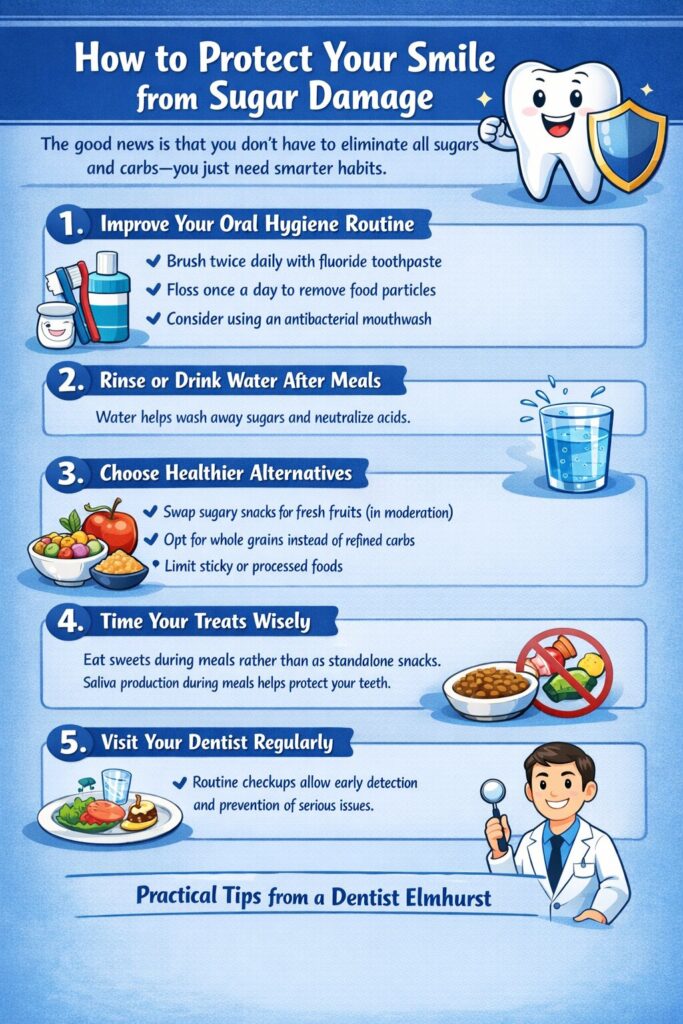
How to Protect Your Smile from Sugar Damage
The good news is that you don’t have to eliminate all sugars and carbs—you just need smarter habits.
Practical Tips from a Dentist Elmhurst
1. Improve Your Oral Hygiene Routine
- Brush twice daily with fluoride toothpaste
- Floss once a day to remove food particles
- Consider using an antibacterial mouthwash
2. Rinse or Drink Water After Meals
Water helps wash away sugars and neutralize acids.
3. Choose Healthier Alternatives
- Swap sugary snacks for fresh fruits (in moderation)
- Opt for whole grains instead of refined carbs
- Limit sticky or processed foods
4. Time Your Treats Wisely
Eat sweets during meals rather than as standalone snacks. Saliva production during meals helps protect your teeth.
5. Visit Your Dentist Regularly
Routine checkups allow early detection and prevention of serious issues.
At Cosmos Modern Dental – Elmhurst, patients receive personalized care tailored to their diet, lifestyle, and oral health goals.
The Role of Professional Dental Care
Even with great at-home care, professional cleanings and exams are essential. A dental team can detect early signs of decay and provide preventive treatments like fluoride applications or sealants.
Why Regular Visits Matter
- Early detection of cavities
- Removal of hardened plaque (tartar)
- Personalized dietary and hygiene advice
- Protection against gum disease
At Cosmos Modern Dental – Elmhurst, patient education is a priority. Understanding how your diet affects your oral health empowers you to make better decisions every day.
The Link Between Diet and Gum Health
Sugars and refined carbs don’t just affect your teeth—they also impact your gums.
How It Happens:
- Bacteria build up along the gumline
- Plaque forms and hardens into tartar
- Gums become inflamed (gingivitis)
If untreated, this can lead to:
- Gum recession
- Periodontal disease
- Tooth loss
A qualified Dentist Elmhurst can help identify early signs and guide you toward healthier habits.
Source: Teeth Talk Girl
When to See a Dentist
Sometimes, even with good habits, dental issues can develop. It’s important to seek professional care if you notice:
- Persistent tooth pain
- Visible holes or dark spots on teeth
- Swelling or bleeding gums
- Sensitivity that doesn’t go away
Early treatment is always simpler, less invasive, and more affordable.
Conclusion: Small Changes, Big Impact
Your diet plays a bigger role in your oral health than you might think. Sugars and carbohydrates, when consumed frequently and without proper care, can quietly damage your teeth over time.
The good news is that prevention is within your control. By making mindful food choices, maintaining good oral hygiene, and visiting your dentist regularly, you can protect your smile for years to come.
If you’re concerned about how your diet is affecting your teeth, the team at Cosmos Modern Dental – Elmhurst, located in Elmhurst, IL 60126, United States, is here to help.
Schedule your appointment today with a trusted Dentist Elmhurst and take the first step toward a healthier, stronger smile.
Common Patient Questions
Can I still eat sugar and avoid cavities?
Yes, moderation is key. Eating sugary foods occasionally and maintaining good oral hygiene can reduce your risk significantly.
Are natural sugars better for my teeth than processed sugar?
Not necessarily. Natural sugars (like those in fruit or honey) can still feed harmful bacteria if left on your teeth.
How soon should I brush after eating carbs or sugar?
Wait about 20–30 minutes after eating to avoid brushing softened enamel. Rinse with water in the meantime.
Do carbs really cause cavities, or just sugar?
Carbohydrates break down into sugar in your mouth, so they can contribute to cavities just like sweets.
What are the best foods for healthy teeth?
Foods like cheese, leafy greens, nuts, and crunchy vegetables help support strong teeth and healthy gums.