332 North York St., Elmhurst, IL 60126



Gum Grafting After Tooth Removal: Purpose, Procedure And Recovery

Losing a tooth can feel like a turning point—not just for your smile, but for your overall oral health. Many patients are surprised to learn that what happens after a tooth extraction is just as important as the procedure itself. One of the most effective ways to protect your gums and prepare for future treatments is through gum grafting.
Whether you’re considering a dental implant or simply want to maintain healthy gum structure, understanding this treatment can help you feel more confident in your next step.
Why Gum Health Matters After Tooth Removal
After a tooth is removed, the surrounding gum and bone begin to change. Without proper care, the area can shrink or recede over time. This can lead to:
- A sunken appearance in your smile
- Difficulty placing dental implants later
- Increased sensitivity in nearby teeth
- Higher risk of gum disease
This is where the gum grafting process becomes essential. It helps restore lost tissue, supports long-term oral health, and creates a stable foundation for future treatments.
For families and professionals balancing busy lives—whether commuting through Elmhurst or enjoying a walk near Austin’s green spaces—preventive care like this helps avoid more complex procedures later.
What Is Gum Grafting?
Gum grafting is a procedure that adds healthy tissue to areas where gums have receded or thinned. After a tooth extraction, it can be used to:
- Preserve the natural shape of your gums
- Protect exposed bone
- Improve aesthetics
- Prepare for dental implants
The graft material may come from your own tissue or a safe donor source. Your dentist will recommend the best option based on your individual needs.
At a trusted Dentist Elmhurst, this procedure is performed with a focus on comfort, precision, and long-term results.
When Is Gum Grafting Recommended?
Not every tooth extraction requires a graft, but it’s often advised in the following situations:
1. Preparing for Dental Implants
A strong gum foundation improves implant success and appearance.
2. Preventing Bone Loss
Grafting helps maintain the natural contour of your jaw.
3. Treating Gum Recession
If nearby teeth show signs of receding gums, this treatment can help stabilize the area.
4. Enhancing Smile Aesthetics
It restores a fuller, more natural look to your gum line.
For many patients, especially those who value long-term oral health, early intervention makes a noticeable difference.
Step-by-Step: What to Expect During the Procedure
Understanding the process can ease anxiety and help you feel prepared.
Consultation and Planning
Your dentist evaluates the extraction site, gum health, and future goals. Digital imaging may be used to plan the treatment.
Numbing and Preparation
Local anesthesia ensures you remain comfortable throughout the procedure.
Placing the Graft
The graft material is carefully positioned in the treatment area and secured in place.
Healing and Protection
A protective dressing may be applied to support healing.
The entire process is typically completed in one visit and is designed to be as gentle as possible.
Understanding the Need for Gum Grafting
To appreciate the significance of gum grafting after tooth removal, it’s essential to delve into the repercussions of tooth extraction on the surrounding gum tissue. While necessary in certain situations, the tooth removal process can inadvertently set off a chain reaction in the oral cavity.
When a tooth is extracted, it creates a void in the jawbone and disrupts the natural architecture of the surrounding gum tissue. In response to this void, the gum tissue tends to recede, retracting from its original position. This phenomenon is particularly pronounced when multiple teeth are extracted or in cases where there’s a prolonged gap between tooth extraction and seeking restorative measures.
The Purpose of Gum Grafting
Restoring Aesthetics
Primarily, gum grafting seeks to restore the aesthetics of the smile. When the gum line recedes due to tooth extraction, it imbalances the visual harmony of the teeth and surrounding tissues. This can lead to an uneven gum line, exposing portions of the tooth that were once sheltered beneath the gums.
The grafting process strategically places donor tissue or grafts onto the receded areas, effectively rebuilding the gumline. This meticulous restoration of the gum’s natural contour enhances the smile’s appearance and contributes to a more youthful and symmetrical facial aesthetic.
Preserving Oral Health
Beyond its cosmetic role, gum grafting is pivotal in preserving oral health. The gums act as a protective barrier, shielding the delicate roots of the teeth and the underlying bone from external irritants and potential harm. This protective layer is compromised when a recession occurs, exposing the tooth roots to various stimuli.
By undergoing gum grafting, individuals are investing in the aesthetics of their smiles and fortifying their teeth’ structural integrity. The grafting process covers the exposed roots, reducing sensitivity and preventing potential complications such as root decay. This preventative approach aligns with the overarching goal of modern dentistry—to preserve natural teeth and their supportive structures whenever possible.
Enhancing Comfort and Functionality
Sensitivity resulting from exposed tooth roots can be a persistent source of discomfort. Gum grafting directly addresses this issue, providing a functional benefit by reducing sensitivity and improving overall comfort. Patients who hesitate to consume hot or cold foods and beverages can regain the freedom to enjoy these without discomfort.
Moreover, gum grafting contributes to the overall stability of the teeth. It ensures that the gum tissue is optimally positioned, preventing further recession and maintaining a secure foundation for the teeth. This stability is crucial for comfort and the long-term functionality of the teeth, facilitating regular activities like chewing and speaking.
Gum grafting is not merely a cosmetic embellishment but a sophisticated dental procedure designed to fulfill aesthetic and functional objectives. As we begin understanding the purpose of gum grafting after tooth removal, it becomes apparent that its role extends beyond the surface, delving into the intricacies of oral health.
The Process of Gum Grafting unveiled
Undergoing gum grafting after tooth removal involves a meticulous procedure conducted by dental professionals. Cosmetic dentists in Elmhurst, IL, shed light on the key steps involved:
- Consultation and Evaluation: The journey begins with a comprehensive consultation, where the dentist assesses the extent of gum recession and discusses the patient’s expectations. This step is crucial in customizing the grafting approach to meet individual needs.
- Graft Selection: Different types of grafts, such as autografts (using the patient’s tissue) or allografts (donor tissue), may be considered. The choice depends on factors like the extent of recession, patient preference, and the dentist’s recommendation.
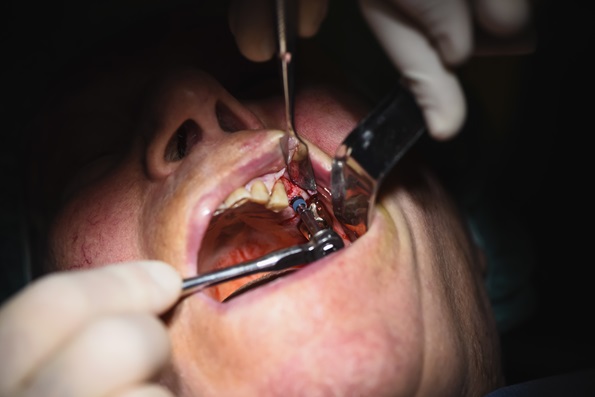
- Surgical Procedure: The grafting surgery involves incisions at the donor and recipient sites. The graft is then carefully positioned to cover the exposed roots and augment the gumline. Advanced techniques and technologies are employed to ensure precision and minimize discomfort.
- Postoperative Care: Patients are provided with detailed postoperative care instructions following the procedure. This may include dietary restrictions, prescribed medications, and regular follow-up appointments to monitor healing.
Recovery and Results
Embarking on the journey of gum grafting after tooth removal is not just about the procedure itself; it’s equally about the path to recovery and the transformative results that await. The postoperative phase plays a crucial role in determining the success of the gum grafting process, shaping not just the physical outcome but also the overall experience for the patient.
Navigating the Initial Discomfort
Immediately following the gum grafting procedure, it’s common for patients to experience discomfort. This may manifest as swelling, mild bleeding, and soreness around the treated area. However, it’s essential to recognize that this discomfort is a natural part of the healing process and is typically temporary.
To manage these initial discomforts, their dentist often prescribes pain medications. Additionally, adhering to the prescribed postoperative care instructions is paramount. This may include the application of ice packs to reduce swelling and avoiding activities that could exert unnecessary pressure on the treated area.
Dietary Considerations for Optimal Healing
During the initial stages of recovery, a soft diet is often recommended. This serves a dual purpose—it minimizes stress on the newly grafted tissue, allowing it to heal undisturbed. It also ensures that the patient can maintain proper nutrition without compromising the healing process.
Foods that are easy to chew and do not require excessive jaw movement are typically suggested. This may include yogurt, mashed potatoes, soups, and smoothies. As the healing progresses, the dentist may gradually lift dietary restrictions, allowing the patient to resume a normal diet.
Cautious Oral Care Practices
Proper oral hygiene practices are crucial during the recovery period. While it’s essential to maintain oral cleanliness, gentle care is advised around the grafted area. Dentists typically provide specific instructions on postoperative oral care, including using a prescribed mouthwash, avoiding vigorous brushing near the graft site, and being cautious while flossing.
Follow-Up Appointments for Monitoring
Regular follow-up appointments are scheduled to monitor the progress of healing. These appointments serve as opportunities for the dentist to assess the integration of the graft, address any concerns the patient may have, and make any necessary adjustments to the treatment plan. The frequency of follow-up appointments varies based on the individual’s healing response and the complexity of the grafting procedure. These appointments provide a proactive approach to care, allowing the dentist to intervene promptly if any issues arise.
Long-Term Benefits of Gum Grafting
This procedure offers more than just short-term healing—it’s an investment in your future oral health.
Key Advantages
- Maintains natural gum structure
- Supports successful dental implants
- Reduces sensitivity
- Enhances smile appearance
- Prevents further gum recession
For individuals who want lasting results and fewer complications down the road, this proactive approach provides peace of mind.
A Patient-Centered Approach to Care
Every smile is unique, and so is every treatment plan. Whether you’re a busy parent, a working professional, or someone finally prioritizing their oral health, your care should feel personalized and supportive.
At Cosmos Modern Dental – Elmhurst, the focus is always on:
- Listening to your concerns
- Explaining your options clearly
- Providing gentle, modern care
- Supporting long-term wellness
Just like communities in Austin value balance and well-being, your dental care should reflect a thoughtful, preventive approach.
Common Questions Patients Ask
Is gum grafting painful?
Most patients feel little to no pain during the procedure due to local anesthesia. Mild discomfort afterward is manageable and temporary.
How long does healing take?
Initial healing usually takes 1–2 weeks, with full integration over a few months.
Can I eat normally after the procedure?
You’ll need to stick to soft foods for a few days, but normal eating habits can gradually resume.
Is gum grafting always necessary after extraction?
Not always. Your dentist will recommend it based on your gum condition and future treatment plans.
Will it improve how my smile looks?
Yes, gum grafting can restore a fuller, more natural appearance to your gums.
Supporting Your Smile for the Future
Taking care of your gums after a tooth extraction goes beyond healing—it helps protect your smile for years to come. With the right guidance and timely treatment, you can prevent complications and move forward with confidence in your dental journey.
Thinking about your next step after a tooth removal? The right care makes all the difference.
At Cosmos Modern Dental – Elmhurst, our team provides compassionate, expert care tailored to your needs.
Take charge of your oral health—book your appointment today for a happier, healthier smile.