332 North York St., Elmhurst, IL 60126



Getting a Broken Crown Repaired or Replaced

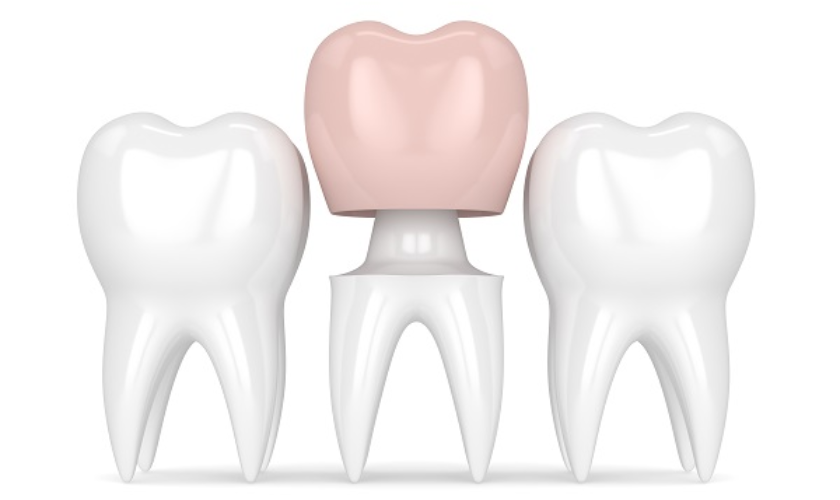
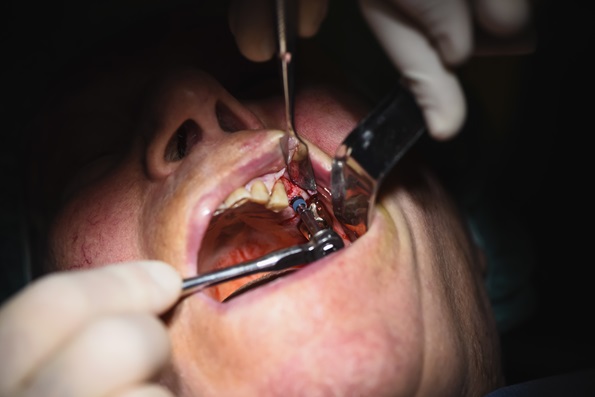
A dental crown is designed to protect and strengthen your tooth, restoring both function and appearance. But like anything in daily use, it can wear down or even break over time. Whether it happens while enjoying a meal, biting into something hard, or simply due to natural aging, a damaged crown can feel stressful.
The good news is that modern dentistry offers reliable, comfortable solutions to restore your smile quickly. If you live in a busy, active community like Austin—where meals, coffee meetups, and outdoor lifestyles are part of everyday life—having a strong, healthy smile matters. Understanding your options can help you act confidently and protect your long-term oral health.
Within the first few steps of care, your provider will evaluate whether your situation calls for Dental Crowns Elmhurst, repair, or full replacement—ensuring your tooth stays protected and functional.
Why Do Dental Crowns Break?
Dental crowns are durable, but they’re not indestructible. Over time, daily wear and tear can weaken them.
Common causes include:
- Biting hard foods like ice or nuts
- Teeth grinding (often during sleep)
- Trauma or injury
- Decay forming under the crown
- Poor fit or aging dental work
Even high-quality crowns may eventually need attention, especially after many years of use.
Signs Your Crown Needs Attention
Sometimes the damage is obvious—a visible crack or a piece missing. Other times, the symptoms are more subtle.
Watch for:
- Sensitivity to hot or cold
- Pain when chewing
- A loose or shifting crown
- Swelling or discomfort around the tooth
- Changes in how your bite feels
If you notice any of these signs, it’s important not to delay care. Early treatment can prevent further complications.
Repair vs. Replacement: What’s the Right Choice?
Not every broken crown needs to be replaced. The best solution depends on the extent of the damage.
When a repair may be enough:
- Minor chips or surface damage
- Crown still fits securely
- No underlying tooth decay
In these cases, your dentist may smooth, reshape, or bond the crown to restore its function.
When replacement is recommended:
- Large cracks or fractures
- Crown is loose or no longer fits properly
- Tooth underneath is damaged or decayed
- Older crowns that have worn down over time
A skilled Dentist Elmhurst will assess both the crown and the underlying tooth to ensure long-term success—not just a quick fix.
A Patient Story: Restoring Confidence
One Elmhurst patient came in after noticing discomfort while eating tacos at a local food spot. What seemed like mild sensitivity turned out to be a cracked crown. After a quick evaluation, the crown was replaced, and the patient left not only pain-free but confident enough to enjoy their favorite meals again.
Moments like these highlight how timely dental care supports both comfort and everyday quality of life.
How to Protect Your Crown Going Forward
After repair or replacement, a few simple habits can extend the life of your crown.
Helpful tips:
- Avoid chewing hard objects (like ice or pens)
- Wear a nightguard if you grind your teeth
- Maintain regular brushing and flossing
- Visit your dentist for routine checkups
- Address small issues before they become bigger problems
Patients who stay proactive with their care often enjoy long-lasting results and fewer emergencies.
Repairing a broken crown
When it comes to repairing a broken crown, your dentist will assess the extent of the damage to determine the best course of action. In some cases, if only a small portion of the crown is damaged or chipped, your dentist may be able to repair it without needing a full replacement.
Repairing a broken crown often involves removing any damaged areas and using dental bonding materials to fill in and reshape the affected area. This process helps restore both functionality and aesthetics, ensuring that your crown looks as good as new.
During the repair process, your dentist will carefully match the color and shape of the repaired area with the rest of your natural teeth. This attention to detail ensures that your repaired crown blends seamlessly into your smile.
It’s important to note that not all crowns can be repaired. If there is extensive damage or if multiple parts of the crown are affected, a replacement may be necessary for optimal oral health and appearance.
Now that we’ve explored how dentists repair broken crowns let’s dive into another crucial topic: whether you should opt for repairs or consider getting a replacement instead!
Damaged Dental Crowns Can Be Repaired or Replaced by Your Dentist
When it comes to a broken crown, your dentist has two options: repair or replace. The course of action will depend on the extent of the damage and the condition of the underlying tooth.
If only a small part of the crown is chipped or cracked, your dentist may be able to fix it without replacing the entire restoration. They will carefully assess the damage and determine if a simple repair can restore both function and aesthetics. This involves reshaping and bonding composite resin to fill in any gaps or fractures.
However, if the crown is severely damaged or has extensive decay underneath, replacement may be necessary. In this case, your dentist will remove the old crown and create a new one that matches your natural teeth in size, shape, and color. This typically requires taking impressions of your teeth and sending them to a dental laboratory for fabrication.
It’s important to visit your dentist as soon as possible if you have a broken crown. Ignoring it can lead to further complications such as infection or additional damage to surrounding teeth. Your dentist will evaluate your specific situation and provide you with personalized recommendations for repairing or replacing your broken crown
So, there you have it – the options for repairing or replacing a broken crown. It’s important to remember that every situation is unique and should be evaluated by your dentist. They will determine the best course of action based on factors such as the extent of damage, the condition of your tooth underneath, and your overall dental health.
In some cases, a broken crown can be repaired by bonding it back together using dental adhesive. This option may be suitable if only a small portion of the crown has chipped or cracked. The dentist will carefully clean and prepare both the crown and your natural tooth before applying the adhesive. Once bonded, they will ensure that it fits properly and functions correctly.
However, there are instances where repairing a broken crown is not possible or advisable. If significant damage has occurred or if decay has developed underneath, replacing the crown may be necessary. In this case, your dentist will remove the old crown and take impressions to create a new one that matches perfectly with your existing teeth.
Remember to consult with your dentist if you experience any issues with your crowns. Regular check-ups can help identify potential problems early on and prevent further damage down the line.
People Common Ask
How long does it take to repair or replace a broken crown?
The time required for repairing or replacing a broken crown can vary depending on the specific case. In some instances, a simple repair may only take one visit to the dentist, while more complex cases may require multiple visits. It is best to consult with your dentist to get an accurate estimate of the time needed for your particular situation.
Can a broken crown be fixed without visiting the dentist?
A broken crown cannot be properly fixed without professional dental care. Although some temporary home remedies may offer short-term relief, you should visit a dentist for safe and effective treatment. Dentists have the expertise and proper tools necessary to ensure a safe and effective repair or replacement of your crown.
Will insurance cover the cost of repairing or replacing a broken crown?
Dental insurance coverage can vary depending on your specific policy. In many cases, dental insurance will cover at least part of the cost of repairing or replacing a broken crown if deemed medically necessary. It is advisable to contact your insurance provider directly and speak with them about your coverage details.
How long do crowns typically last before they need repairs?
With proper care and maintenance, dental crowns can last anywhere from 10-15 years on average. However, individual experiences may vary based on factors such as oral hygiene practices, habits like teeth grinding or clenching, and overall oral health.
How long does a dental crown last?
Most crowns last 10–15 years, but with proper care, they can last even longer.
Is it painful to fix a broken crown?
The procedure is typically comfortable. We use local anesthesia when needed to ensure a pain-free experience.
Can I wait if my crown isn’t hurting?
It’s not recommended. Even without pain, damage can worsen or lead to infection.
What should I do if my crown falls out?
Keep the crown safe and contact your dentist as soon as possible. Avoid chewing on that side.
Are replacement crowns natural-looking?
Yes. Modern crowns match the color and shape of your natural teeth.
This article provides general information and does not replace professional advice from your dentist about repairing or replacing a broken crown.
Getting Your Crown Repaired or Replaced
When faced with a broken dental crown, seeking prompt attention from your dentist is crucial in order to restore both aesthetics and functionality back into your smile! Fortunately, modern dentistry offers various solutions for dealing with this common issue.
When to Seek Immediate Care
Don’t ignore a damaged crown. Prompt care helps prevent:
- Tooth infections
- Further structural damage
- Increased treatment costs later
If you’re unsure, it’s always better to have your situation evaluated by an experienced Elmhurst Dentist who can guide you with clarity and care.
Your Smile Deserves Thoughtful Care
A broken crown might seem like a setback, but it’s actually a chance to restore both the strength and beauty of your smile. With modern techniques, treatment is straightforward, effective, and focused on your comfort every step of the way.
At Cosmos Modern Dental – Elmhurst, we build every aspect of care on trust, precision, and a strong commitment to your long-term oral health. Whether your crown needs a simple repair or a complete replacement, our team will guide you with personalized solutions tailored just for you.
Book your appointment today and take the first step toward a healthier, more confident smile.