332 North York St., Elmhurst, IL 60126


Caring for Your Dental Inlays and Onlays: Maintenance Tips

Inlays and onlays are fantastic dental restorations that offer a durable and aesthetically pleasing solution for repairing damaged teeth. These custom-made tooth fillings are superior to traditional fillings in cases where a significant portion of the tooth structure is compromised. But just like your natural teeth, inlays and onlays require proper care to ensure their longevity and optimal oral health.
This blog dives into essential maintenance tips to keep your dental inlays and onlays in top shape, allowing you to enjoy a healthy and beautiful smile for years to come.
Understanding Your Restoration
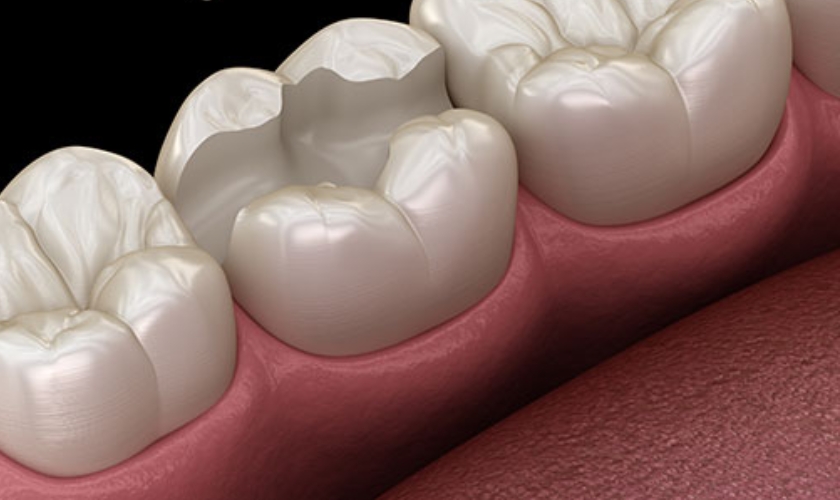
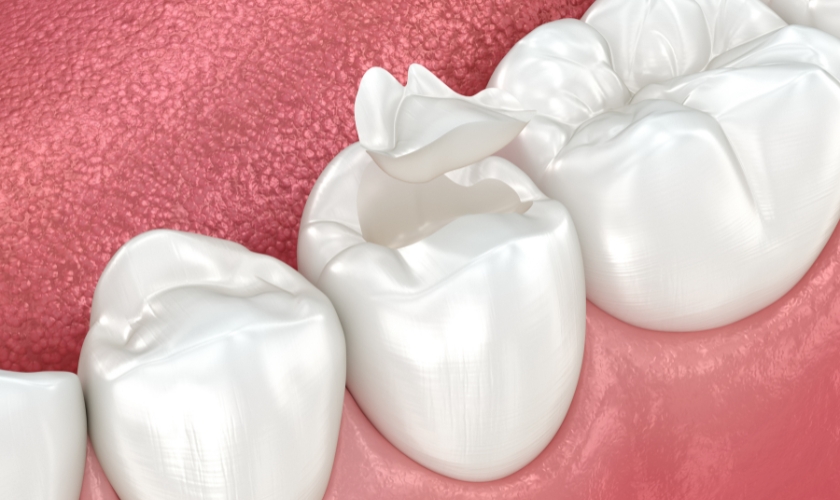
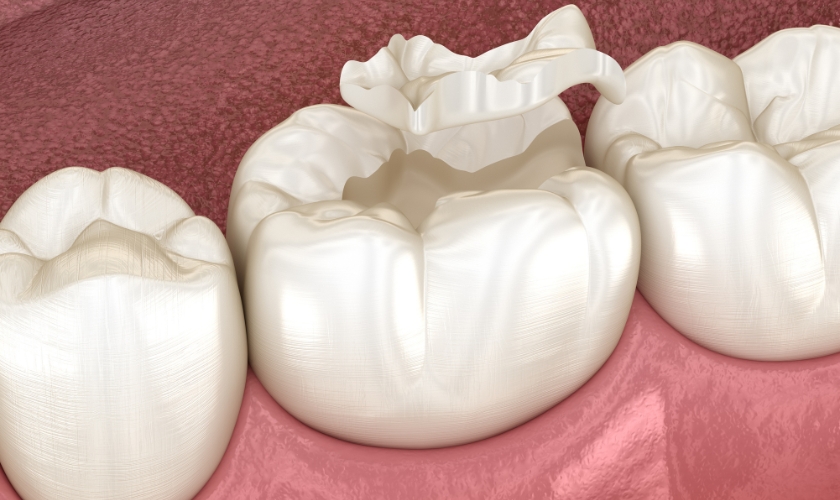
Inlays and onlays are custom-made restorations crafted to repair teeth affected by decay or damage. Unlike traditional fillings, they are designed to fit precisely within or over the tooth structure.
- Inlays sit within the grooves of a tooth
- Onlays extend over one or more cusps
They are often made from porcelain or composite materials that blend seamlessly with your natural teeth. Patients visiting a Dentist Elmhurst clinic often choose these options for their strength and natural appearance.
Why Proper Care Matters
Even though these restorations are strong, they are not indestructible. Proper care ensures:
- Longer lifespan of your restoration
- Protection against further decay
- Preservation of surrounding tooth structure
- Continued comfort while chewing
Think of them as an investment in your long-term oral health. With the right habits, they can last well over a decade.
Maintaining Excellent Oral Hygiene is Key
The foundation for caring for your inlays and onlays lies in practicing excellent oral hygiene. Here’s what this entails:
- Brushing: Brushing your teeth twice a day with a soft-bristled toothbrush and fluoride toothpaste is crucial. Pay particular attention to the areas surrounding your restorations. Use gentle circular motions to remove plaque and food debris that can accumulate around the inlay or onlay and the natural tooth structure.
- Flossing: Daily flossing is essential for cleaning between your teeth and along the gumline—areas that a toothbrush might miss. This helps prevent plaque buildup and gum disease, which can compromise the integrity of your restorations and surrounding teeth.
- Mouthwash: Consider incorporating an antimicrobial mouthwash into your routine. This can help control bacterial growth, freshen breath, and potentially offer additional protective benefits for your restorations.
Be Mindful of What Goes in Your Mouth
Certain habits and dietary choices can impact the longevity and appearance of your inlays and onlays. Here’s what to keep in mind:
- Avoid Harmful Habits: Chewing on hard objects like ice, using your teeth as tools (bottle openers! ), or nail-biting can cause fractures or chipping of your restorations.
- Limit Hard Foods: While inlays and onlays are quite durable, excessively hard foods like nutshells or hard candy can put unnecessary stress on them. Opt for softer alternatives or enjoy them in moderation.
- Beware of Staining Beverages: Coffee, tea, red wine, and certain curries can stain your inlays and onlays over time. While occasional indulgence is fine, consider rinsing your mouth with water after consuming these beverages to minimize staining.
- Smoking Cessation: Smoking not only harms your overall health but can also stain your restorations and contribute to gum disease. Quitting smoking is one of the best things you can do for your oral and overall health.
Regular Dental Checkups are Essential
Schedule regular dental checkups and cleanings with your dentist, typically every six months. During these visits, your dentist will:
- Examine your inlays and onlays. They will check for any signs of wear, chipping, or cracking that might necessitate repair or replacement.
- Assess your oral health. They will evaluate your gums for signs of inflammation or disease, which can affect the stability of your restorations.
- Clean your teeth professionally. Professional cleanings remove built-up plaque and tartar that your regular brushing and flossing might miss, ensuring optimal oral hygiene.
If you experience any discomfort, sensitivity, or chipping around your inlays or onlays, contact your dentist immediately. Early intervention can prevent more serious issues and ensure the long-term success of your restorations.
Additional Tips for Optimal Care
- Nightguards: If you grind your teeth (bruxism), your dentist might recommend a nightguard to protect your inlays and onlays from excessive wear and tear.
- Fluoride Treatment: Fluoride strengthens tooth enamel and can help protect the natural tooth structure surrounding your restorations. Discuss fluoride treatment options with your dentist.
By following these simple yet effective maintenance tips, you can ensure that your dental inlays and onlays continue to function beautifully and support a healthy, confident smile for many years to come.
Signs You Shouldn’t Ignore
Your body often gives subtle signals when something isn’t right. Reach out to your dentist if you notice:
- Sensitivity when biting or chewing
- Sharp edges or roughness
- Persistent discomfort
- Loosening of the restoration
Early care prevents small concerns from becoming bigger problems.
Long-Term Maintenance Tips
Here are a few simple habits that go a long way:
- Use a mouthguard during sports activities
- Avoid using teeth as tools (opening packages, bottles)
- Stay hydrated to maintain healthy saliva flow
- Replace your toothbrush every 3–4 months
These small steps can significantly extend the life of your dental work.
What Patients Often Ask
How long do inlays and onlays last?
With proper care, they can last 10–15 years or even longer. Regular checkups help ensure they stay in great condition.
Can they stain over time?
Porcelain options are highly resistant to staining, but maintaining good oral hygiene helps preserve their natural look.
Is it normal to feel sensitivity after placement?
Mild sensitivity can occur initially but usually fades within a few days. Persistent discomfort should be evaluated.
Can I eat normally after getting them?
Yes, but it’s best to avoid very hard or sticky foods, especially in the first few days.
Do they require special cleaning products?
No special products are needed—just consistent brushing, flossing, and regular dental visits.
A Gentle Approach to Lifelong Oral Health
A gentle, consistent approach to oral health is what truly builds a lasting, confident smile. It’s not about achieving perfection—it’s about the small, mindful choices you make every day. Whether you’re out enjoying a walk around Lady Bird Lake or spending time sharing meals with loved ones, your dental health should seamlessly support your lifestyle.
At Cosmos Modern Dental – Elmhurst, the priority is to help patients feel comfortable, informed, and empowered at every step of their care journey. Every healthy habit you build today contributes to a stronger, more resilient smile in the future.
Take the next step toward better oral wellness—schedule your visit today and invest in a healthier, happier smile.