332 North York St., Elmhurst, IL 60126



Your Jawbone Is Shrinking: Why Waiting on Implants Gets Costly

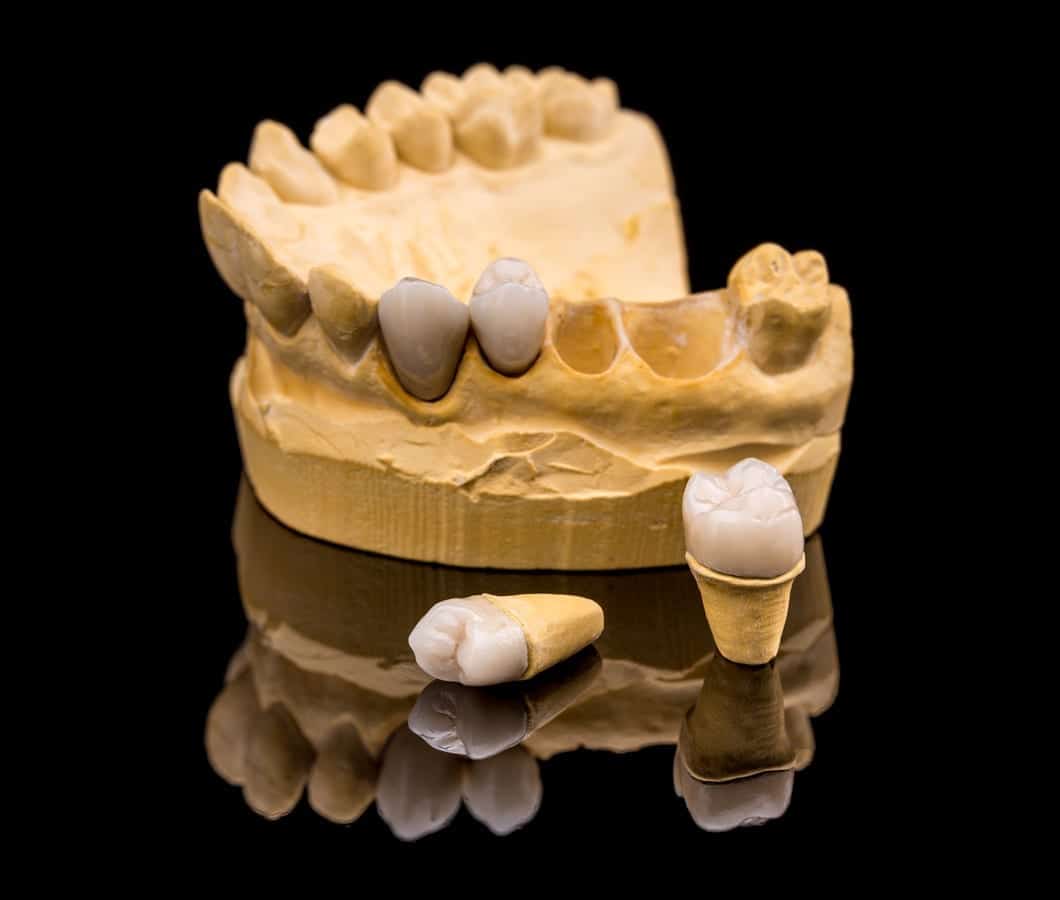
Most people do not realize their jawbone is shrinking after tooth loss. The process is silent, gradual, and costly to reverse. Understanding why waiting on implants gets costly in Northlake is critical for anyone missing one or more teeth. At Cosmos Morden Dental, Dr. Michael Cosmos helps patients understand what is actually happening beneath the surface — before the damage becomes irreversible.
What Happens to Your Jaw After You Lose a Tooth
Your teeth do more than help you chew. Their roots constantly stimulate the jawbone, signaling it to maintain density. When a tooth is lost, that stimulation disappears immediately.
Without stimulation, your body begins reabsorbing the bone. This process — called bone resorption — starts within weeks of tooth loss. Most patients lose up to 25% of bone width in the first year alone.
By year three, the bone loss becomes visible in the face. Cheeks sink inward. The jaw begins to look narrower. These are not cosmetic concerns — they signal structural collapse that makes future implant placement far more complicated.
Warning Signs You Have Already Waited Too Long in Northlake
Many Northlake residents come to us after ignoring a missing tooth for months or years. By then, several warning signs have usually appeared. Recognizing these signs early can still make a difference.
Watch for these red flags that bone loss may already be progressing:
- Shifting or drifting teeth near the gap
- Difficulty chewing certain foods, especially harder textures
- A sunken appearance around the cheeks or lower face
- Loose-fitting dentures or partials that no longer stay in place
- Jawbone pain or tenderness near the missing tooth site
- Visible changes in your bite alignment
Teeth shift because bone loss creates space. Neighboring teeth tilt inward to fill the gap. This misalignment can lead to uneven wear, cracking, and even additional tooth loss over time. The problems multiply quickly once this cycle begins.
Why Delaying Implants Increases Your Total Cost
This is where most patients are surprised. They delay treatment to save money. The result is actually the opposite — the final cost increases significantly.
Here is why waiting on implants gets costly, especially in Northlake where patients often commute for dental care. When bone density drops too low, you cannot simply place an implant. A bone graft procedure must come first. That adds time, recovery, and expense.
Beyond grafting, shifting teeth may require orthodontic correction before implants are even possible. A single missing tooth can trigger a chain of treatments that far exceeds what early implant placement would have cost.
Consider what delayed treatment actually requires:
- Bone grafting to rebuild lost density
- Sinus lifts if upper jaw bone has deteriorated
- Orthodontic work to correct shifted teeth
- Additional extractions if neighboring teeth have been damaged
- Longer overall treatment timelines — sometimes 12 to 18 months longer
Acting early keeps your treatment straightforward. Acting late turns a one-step procedure into a multi-stage process. The difference in complexity — and cost — is substantial.
How Dental Implants Stop Bone Loss Permanently
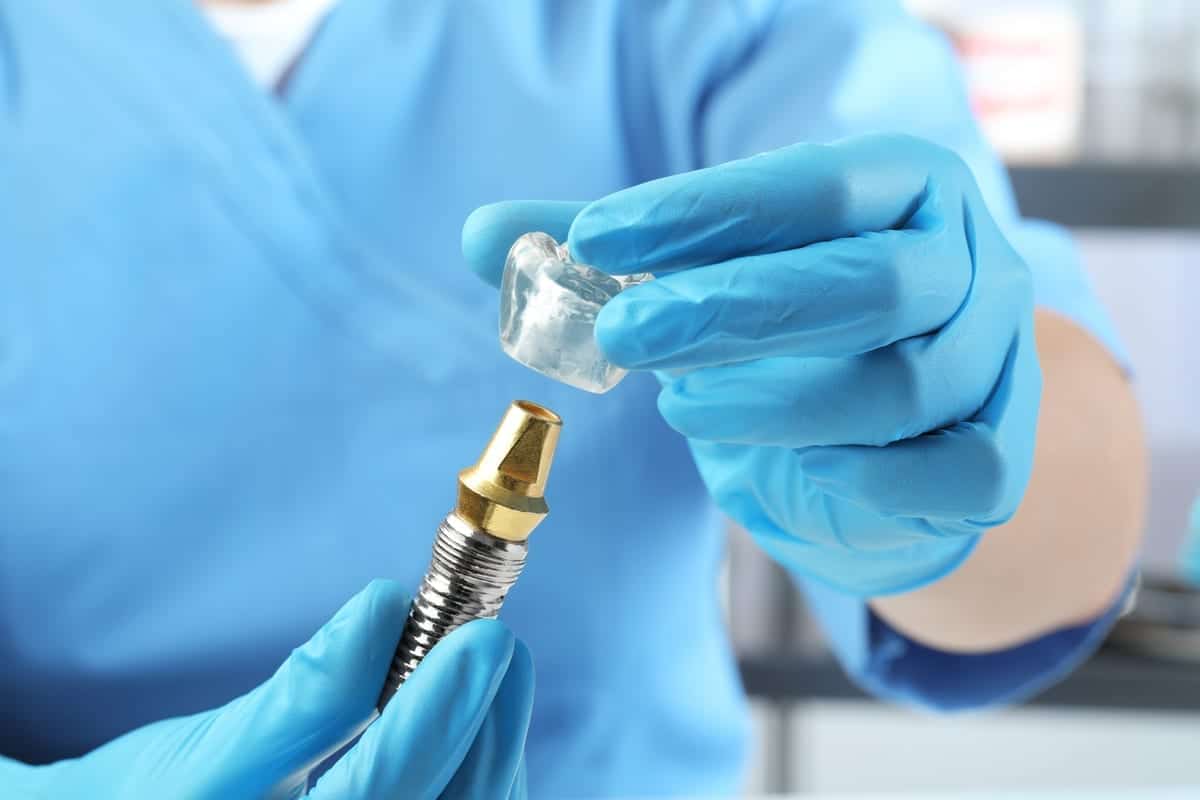
Dental implants are the only tooth replacement option that addresses bone loss directly. A titanium post is placed into the jawbone. It fuses with the bone through a process called osseointegration.
Once fused, the implant mimics a natural tooth root. It stimulates the surrounding bone the same way your original tooth did. Bone resorption stops. In many cases, the bone actually begins to stabilize and strengthen around the implant.
Dentures and bridges do not provide this benefit. They sit on top of the gum or anchor to adjacent teeth. Neither option communicates with the jawbone. Bone loss continues underneath them, which is why many denture wearers experience ongoing fit problems over the years.
Implants also support overall oral health in ways other replacements cannot. They do not require grinding down healthy neighboring teeth. They are cleaned just like natural teeth. They last decades with proper care — often a lifetime.
When to Act: Connecting Bone Loss to Your Broader Oral Health
Bone loss does not stay isolated to one area. As the jawbone weakens, surrounding teeth become less stable. This creates a domino effect that can affect your entire smile over time.
Patients dealing with advanced bone loss often need support from both Cosmetic Dentistry Northlake services and restorative care to correct the full scope of damage. The earlier you act, the fewer of those additional services you will need.
Sometimes the situation requires urgent attention. If you are experiencing pain, sudden tooth movement, or significant chewing difficulty, Emergency Dentistry Northlake services can provide fast evaluation and help you understand your options right away.
Dr. Michael Cosmos takes a thorough, patient-first approach at Cosmos Morden Dental. He reviews digital X-rays and bone density assessments to give Northlake patients a clear picture of where they stand. There is no guesswork — just honest guidance on what your jaw needs now.
What the Implant Process Looks Like at Cosmos Morden Dental
Many patients avoid implants because they fear a complicated procedure. In reality, the process is straightforward when bone density is adequate. Here is what most patients experience:
- A comprehensive exam and 3D imaging to assess bone health
- A personalized treatment plan reviewed with Dr. Cosmos
- Implant placement under local anesthesia — most patients report minimal discomfort
- A healing period of several weeks as the implant fuses with bone
- Crown placement to complete the restoration
When bone grafting is needed, it adds a step before implant placement. This is why early action matters so much. Avoiding that extra step saves time, recovery, and resources.
Cosmos Morden Dental serves patients in and around Northlake, including those from the greater Elmhurst, IL area. Our team makes every step of the process as comfortable and clear as possible.
Conclusion: Do Not Let Bone Loss Get Ahead of You
Your jaw does not wait for you to feel ready. Bone loss begins quietly and accelerates over time. The longer a missing tooth goes unreplaced, the more complicated — and expensive — the path back to a healthy smile becomes.
If you have been putting off treatment, now is the time to get a clear picture of where your bone health stands. Dr. Michael Cosmos and the team at Cosmos Morden Dental are here to guide you through every step with honesty and care. Book Now to schedule your appointment with our team.
Frequently Asked Questions
How quickly does bone loss begin after tooth loss?
Bone loss can begin within the first few weeks after a tooth is lost. The most significant volume loss typically occurs during the first year. Acting sooner rather than later gives you the best chance of avoiding grafting procedures.
Can bone grafting fully restore what was lost?
Bone grafting can rebuild enough density to support an implant in most cases. However, it does not always restore the full original volume of bone. That is why early implant placement — before significant loss occurs — produces the best outcomes.
Are dental implants painful to get?
Most patients are surprised by how manageable the procedure feels. Local anesthesia is used during placement, and post-procedure discomfort is typically mild. Dr. Cosmos walks every patient through what to expect so there are no surprises.
Why do my dentures keep getting loose over time?
Dentures rest on top of the gums and do not stimulate the jawbone. As bone continues to resorb beneath them, the fit changes. This is a sign that bone loss is progressing and that implant-supported options may be worth exploring.
How do I know if I am a candidate for dental implants?
A comprehensive exam including bone density imaging will determine candidacy. Many patients who believe they have waited too long are still candidates — sometimes with grafting support. The only way to know for certain is to schedule an evaluation with Dr. Cosmos.