332 North York St., Elmhurst, IL 60126


Dentures vs. Implants: Which Actually Preserves Your Jaw Better?

When you lose a tooth, the decision you make next truly matters. Patients across Elmhurst, IL ask us the same question every week: which is better — dentures or implants? The honest answer depends on your goals, your health, and how much you care about preserving your jaw long-term. This guide tackles Dentures vs. Implants: Which Actually Preserves Your Jaw Better? Elmhurst patients deserve a straight answer — and we’re going to give you one.
Why Jawbone Preservation Is the Real Issue in Elmhurst
Most people focus on how teeth replacements look. That’s understandable — a confident smile matters. But the deeper concern is what happens underneath the gum line after tooth loss.
When a natural tooth root is missing, your jawbone loses the stimulation it needs to stay dense. The bone gradually shrinks in a process called resorption. This can change your facial structure over time, making you look older than you are.
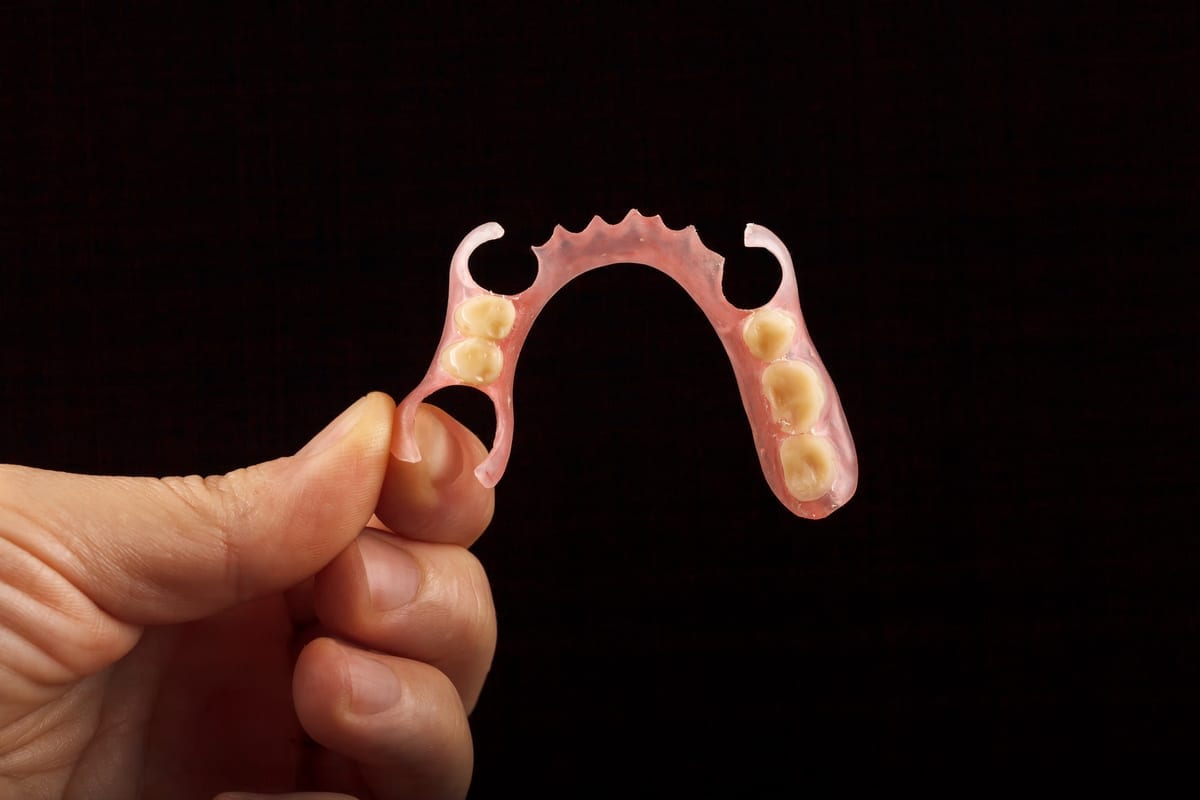
Dentures sit on top of the gums. They do not connect to the jawbone at all. That means they provide zero stimulation to the underlying bone. Over months and years, bone loss continues quietly beneath the appliance.
Dental implants, by contrast, are titanium posts placed directly into the jaw. They mimic a natural tooth root. That physical connection stimulates bone cells and actively prevents resorption — a critical difference that affects your face, your comfort, and your long-term oral health.
Dentures vs. Implants: An Honest Comparison of Function and Fit
Let’s look at how each option performs in everyday life. Both solutions can restore your smile, but they behave very differently once you’re living with them.
How dentures work day-to-day:
- Removable appliances that rest on the gums
- May require adhesives to stay in place during eating
- Can slip or shift when speaking or chewing hard foods
- Need removal for overnight soaking and cleaning
- May need refitting every few years as the jaw changes shape
How dental implants work day-to-day:
- Permanently anchored into the jawbone
- Function and feel like natural teeth
- Allow you to eat virtually any food without restriction
- Brushed and flossed just like real teeth — no removal needed
- Do not shift, slip, or require adhesives
For patients in Elmhurst who want to eat, speak, and live without thinking about their teeth, implants offer a more natural experience. Dentures have improved significantly over the years, but the functional gap between the two remains meaningful.
Cost and Long-Term Value: What Elmhurst Patients Should Know
Upfront cost is often the deciding factor for many patients. Dentures are generally less expensive initially than dental implants. That’s a real and valid consideration.
However, cost over time tells a different story. Dentures typically need relining, adjusting, or full replacement every five to ten years. As the jawbone shrinks, the fit changes. Those ongoing costs add up significantly over a lifetime.
Dental implants require a larger upfront investment. The process involves surgery, healing time, and a crown placement. But implants can last decades — sometimes a lifetime — with proper care. Many patients find the long-term value far exceeds that of repeated denture replacements.
There’s also the hidden cost of bone grafting. If significant bone loss occurs from years of wearing dentures, implants may later require a bone graft before placement is even possible. Choosing implants earlier often avoids that added procedure entirely.
Dr. Michael Cosmos recommends discussing your full timeline with our team. A short-term saving can become a long-term expense when bone health is factored in.
Which Option Suits Your Lifestyle and Health in Elmhurst?
Neither option is universally better for every person. Several health and lifestyle factors influence which choice is right for you.
Implants require good bone density and healthy gums at the time of placement. Patients with certain systemic conditions or those who smoke may face longer healing times. A thorough evaluation at Cosmos Morden Dental helps determine your candidacy.
Dentures are often the faster, more accessible path. For patients who want to avoid surgery entirely, they offer a workable solution. They are also suitable for patients replacing multiple teeth across the full arch.
Some patients choose implant-supported dentures — a hybrid option. This involves placing a few implants to anchor a full denture securely. It provides the stability of implants with the cost efficiency of a denture appliance. It also helps slow bone loss compared to traditional dentures alone.
If you are exploring a full smile transformation, our Cosmetic Dentistry Elmhurst services can help you understand all available options side by side. Our team takes time to explain every path before you commit to anything.
What to Expect at Cosmos Morden Dental in Elmhurst
Walking into a dental office with unanswered questions can feel overwhelming. We understand that completely. Dr. Michael Cosmos and our team are here to make the process clear and comfortable from your very first visit.
Your initial consultation will include a full examination of your gums, bone density, and overall oral health. We take detailed imaging to assess how much bone remains and where implants would be most effective. No treatment is recommended without a personalized review of your unique situation.
We also offer Emergency Dentistry Elmhurst services if you experience sudden tooth loss or dental pain that needs immediate attention. Addressing the problem quickly can preserve more bone for future implant placement.
Whether you choose dentures, implants, or an implant-supported solution, our goal is to help you live comfortably and confidently. We never push one option over another without evidence that it serves your health best.
Conclusion: Making the Right Choice for Your Jaw Health
The question of Dentures vs. Implants: Which Actually Preserves Your Jaw Better? Elmhurst comes down to one clear biological fact: implants preserve bone, and traditional dentures do not. That difference compounds over years and decades in ways that affect your appearance, comfort, and oral function.
Dentures remain a legitimate and helpful solution for many patients. Cost, health conditions, and personal preference all play a role in the decision. But if jaw preservation is your priority, implants offer a proven advantage that dentures simply cannot match.
You deserve a solution tailored to your life — not a one-size-fits-all recommendation. Dr. Michael Cosmos and the team at Cosmos Morden Dental in Elmhurst, IL are ready to help you find yours. Book Now to schedule your appointment with our team.
Frequently Asked Questions
Do dentures cause bone loss in the jaw?
Yes. Traditional dentures rest on the gums and do not stimulate the jawbone. Without stimulation, the bone gradually resorbs or shrinks over time. This is why dentures often need to be refitted or replaced as the jaw shape changes.
How long do dental implants last compared to dentures?
Dental implants can last 20 years or more — often a lifetime — with proper oral hygiene and regular checkups. Traditional dentures typically need relining or replacing every five to ten years due to changes in jaw shape and normal wear.
Are dental implants painful to get?
Most patients report that implant surgery is more comfortable than they expected. Local anesthesia is used during the procedure, and any post-operative soreness is usually manageable with over-the-counter pain relief. Dr. Michael Cosmos will walk you through what to expect before, during, and after your procedure.
Can I get implants after wearing dentures for many years?
It depends on how much bone remains in your jaw. Long-term denture wear often leads to significant bone loss, which may require a bone graft before implants can be placed. An evaluation with detailed imaging will determine whether implants are currently possible for you.
What are implant-supported dentures and who are they best for?
Implant-supported dentures combine a few strategically placed implants with a full-arch denture appliance. The implants anchor the denture firmly in place, reducing slippage and helping slow bone loss. They are a strong option for patients who want greater stability than traditional dentures but prefer to avoid individual implants for every missing tooth.