332 North York St., Elmhurst, IL 60126


How Long Does It Take to Heal After a Tooth Extraction


Hearing that a tooth needs to be removed can make many people feel uneasy. Even though it is a routine dental procedure, patients often wonder what recovery will be like and how long healing will take. Concerns about swelling, discomfort, and getting back to normal activities are very common.
The good news is that recovery is usually smooth when proper care is followed. In most cases, the body begins healing quickly within the first few days. Small habits during recovery, such as resting, choosing the right foods, and following your dentist’s instructions, can make a noticeable difference in how comfortable the healing process feels.
Many patients who visit Cosmos Modern Dental Elmhurst share similar questions about aftercare and healing. This blog will walk you through dentist-recommended recovery tips, explain what to expect after tooth extraction, and help you understand how to support faster and healthier healing.
What Happens After a Tooth Extraction?
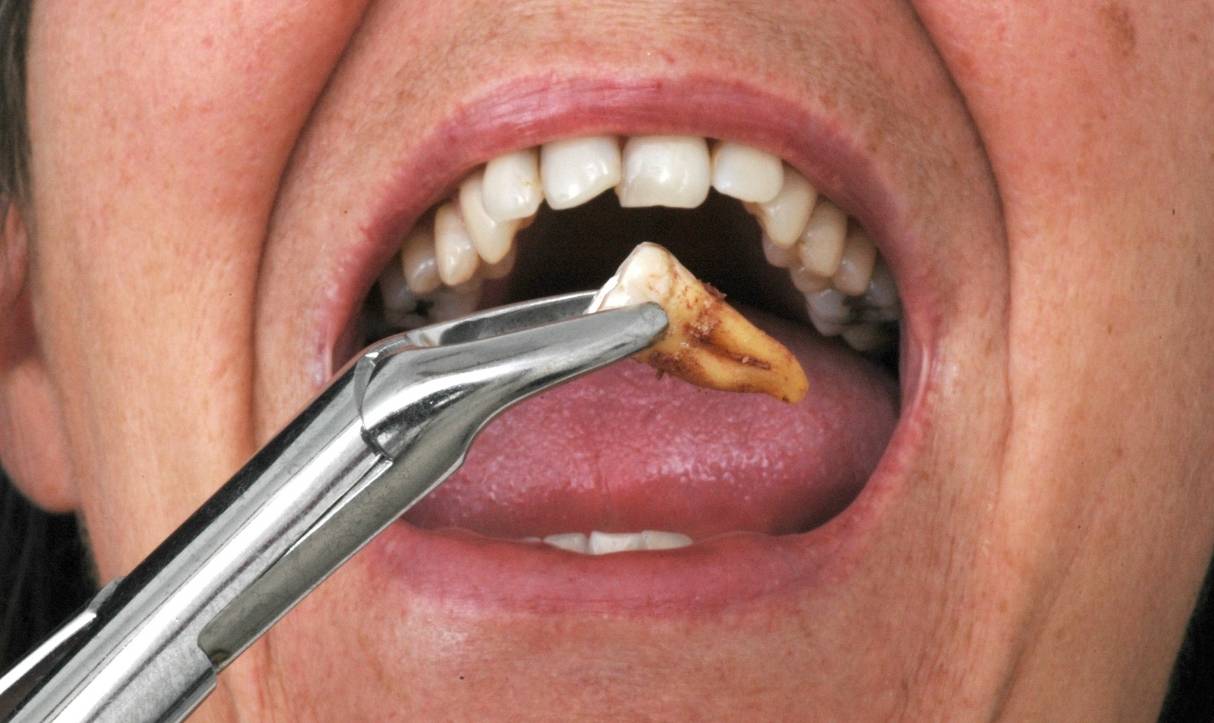
After a tooth is removed, your body immediately begins the healing process. Although the procedure itself is usually quick, the tissues surrounding the removed tooth need time to recover. Understanding what happens in the first few days can help you feel more confident about the process.
One of the most important steps in healing is the formation of a blood clot at the extraction site. This clot acts as a natural protective layer. It covers the exposed bone and nerves while also providing the foundation for new tissue growth. Protecting this clot is essential because it supports proper healing.
Mild bleeding during the first few hours is completely normal. Your Elmhurst dentist will usually place gauze over the area so you can gently bite down and apply pressure. This helps the blood clot form and stops bleeding more quickly.
Swelling and tenderness may also appear during the first day or two. The body responds to the procedure by increasing blood flow to the area, which can cause mild inflammation. Some patients notice slight stiffness in the jaw as well. These reactions are temporary and usually improve as healing progresses.
Over the next several days, gum tissue begins to close over the area where the tooth once was. This gradual process allows the body to rebuild and protect the site. Most people begin to feel noticeably better within a few days, especially when they follow proper aftercare instructions.
Protecting the blood clot remains the most important part of recovery. If it becomes dislodged too early, healing can slow down, and discomfort may increase. That is why dentists emphasize gentle care during the first few days.
Why Proper Recovery Care Is Important
Recovery care plays a major role in how quickly and comfortably your mouth heals. While the body naturally repairs itself, proper aftercare helps prevent complications that can interfere with this process.
One of the main concerns following a tooth extraction in Elmhurst is a condition known as dry socket. This occurs when the protective blood clot becomes dislodged or dissolves before healing is complete. Without that clot, the underlying bone and nerves become exposed, which can lead to significant discomfort.
Good recovery habits help prevent this issue. Avoiding certain activities and following your dentist’s instructions protects the healing area and allows tissues to regenerate naturally.
Another important reason for careful aftercare is infection prevention. The mouth naturally contains bacteria, and the extraction site needs time to close. Keeping the area clean while avoiding irritation helps reduce the risk of infection during this healing period.
Proper care also helps manage swelling and discomfort. Simple actions such as using cold compresses and resting allow inflammation to settle more quickly. When patients take these steps, they often find that their recovery feels smoother and less stressful.
Most importantly, following your dentist’s instructions supports faster tissue healing. Every patient’s situation is slightly different, and personalized guidance ensures the best outcome. Patients who follow recommended recovery steps typically return to normal activities sooner and experience fewer complications.
Tooth Extraction Recovery Tips from a Dentist
Bite Down on Gauze to Control Bleeding
Immediately after the procedure, your dentist will place gauze over the area. Keep this gauze in place for about an hour and apply gentle pressure by biting down. This helps the blood clot form and reduces bleeding.
If bleeding continues slightly afterward, replacing the gauze and maintaining light pressure can help stabilize the area.
Apply Ice Packs to Reduce Swelling
Ice packs are very helpful during the first 24 hours. Apply a cold compress to the outside of your cheek for about 10–15 minutes at a time. Short breaks between applications prevent skin irritation while still helping reduce inflammation.
This simple step can significantly minimize swelling and discomfort.
Rest and Avoid Strenuous Activity
Your body needs time to heal after a dental procedure. Resting during the first day allows the clot to stabilize and reduces the risk of bleeding.
Activities such as heavy exercise, bending over, or lifting heavy objects may increase blood flow to the area and should be avoided for at least a day or two.
Eat Soft Foods During the First Few Days
Soft foods allow you to eat comfortably without disturbing the healing site. Gentle options include:
- Yogurt
- Mashed potatoes
- Smoothies
- Soup
Try to chew on the opposite side of your mouth when possible. Gradually return to normal foods as the area begins to heal.
Avoid Using Straws
Drinking through a straw creates suction inside the mouth. This suction can dislodge the protective blood clot and slow healing. For this reason, dentists recommend drinking directly from a cup during the early recovery period.
Maintain Gentle Oral Hygiene
Keeping your mouth clean supports healing. Continue brushing your teeth as usual, but avoid direct contact with the extraction area.
If your dentist recommends rinsing, do so gently. Aggressive rinsing can disturb the healing tissues.
Avoid Smoking or Tobacco
Tobacco products significantly delay healing. They can reduce blood flow and increase the risk of infection or dry socket. Avoiding tobacco during recovery helps the tissues repair more efficiently.
Stay Hydrated
Drinking plenty of water helps support your body’s natural healing process. Staying hydrated also keeps the mouth comfortable and reduces dryness.
Patients in Elmhurst often return to their daily routines quickly when they follow these simple recovery habits.
Foods to Eat After a Tooth Extraction
Choosing the right foods during recovery helps protect the healing area and prevents irritation. Soft foods are the safest option for the first few days. Recommended foods include:
- Smoothies
- Applesauce
- Scrambled eggs
- Soft pasta
- Oatmeal
These foods are easy to chew and gentle on healing tissues. They also provide nutrients that support recovery.
At the same time, some foods should be avoided temporarily. Crunchy foods like chips or crackers can irritate the extraction site. Spicy foods may cause discomfort, and sticky foods can become lodged in the healing area.
Very hot foods and beverages should also be avoided during the first day. Warm or room-temperature foods are usually more comfortable.
Gradually reintroduce normal foods as the area begins to heal. Listening to your body is helpful. If something feels uncomfortable, it is best to wait another day before trying it again.
Signs of Normal Healing After Tooth Extraction
Most patients notice steady improvement during the first few days. Some mild symptoms are completely normal as the mouth heals. For example, mild swelling may occur for one or two days after the procedure. This swelling typically begins to decrease as the body repairs the area.
Pain should also gradually lessen each day. Over-the-counter pain relief recommended by your dentist often helps manage any temporary discomfort. Healthy gum tissue will begin forming over the site as the days pass. This indicates that the body is rebuilding and protecting the area properly.
Some people also notice slight jaw stiffness, especially if the procedure required keeping the mouth open for an extended time. This stiffness usually resolves quickly.
Overall, steady improvement is the main sign that healing is progressing normally.
Warning Signs That Require Dental Attention
Although recovery is usually smooth, certain symptoms may indicate that the area needs professional evaluation.
Severe pain that appears several days after the tooth extraction in Elmhurst may suggest a problem such as dry socket. Pain that worsens rather than improves should always be checked by a dental professional.
Persistent bleeding beyond the first day is another sign that requires attention. While mild oozing can occur, steady bleeding should not continue for long periods.
A bad taste or odor in the mouth may indicate infection. Fever or increasing swelling can also signal that healing is not progressing normally.
If you experience any of these symptoms, contacting your dental office promptly is important. Early attention helps prevent more serious complications and allows the issue to be treated quickly.
How Long Does Tooth Extraction Recovery Take?
Healing occurs in stages, and most patients recover faster than they expect.
During the first 24 hours, the blood clot forms and begins protecting the site. Within two to three days, swelling usually starts to decrease, and discomfort becomes easier to manage.
After about one week, soft tissues begin closing over the area. Many people feel comfortable returning to normal routines by this point. Over the following several weeks, the underlying bone gradually rebuilds and strengthens. This stage happens quietly beneath the gum surface.
Each person heals at a slightly different pace, but following proper care instructions supports a smoother recovery process.
Recovery after a dental removal procedure is usually straightforward when proper care is followed. Resting, choosing soft foods, staying hydrated, and maintaining gentle oral hygiene all help the healing process move forward smoothly.
Protecting the blood clot and avoiding activities that disturb the area are especially important during the first few days. By following your dentist’s instructions carefully, you can reduce the risk of complications and support faster tissue healing.
If you have questions or concerns during recovery, it is always best to reach out to a dental professional. The team at Cosmos Modern Dental Elmhurst is committed to helping patients heal comfortably and return to their daily routines with confidence.
If you are experiencing dental discomfort or need professional guidance, scheduling a consultation can help you receive the care and support you need for a healthy smile.
What People Ask
How long will it take to recover after a tooth extraction?
Recovery typically takes one to two weeks, but it may vary depending on the complexity of the extraction. Most discomfort and swelling should subside within a few days, with full recovery occurring over several weeks.
Is it normal to have swelling after a tooth extraction?
Yes, mild swelling is common within the first 24 to 48 hours after extraction. Applying ice packs can help reduce inflammation, and it usually decreases as healing progresses.
When can I return to work after a tooth extraction?
Most people can return to work within 1-3 days if they feel up to it. Avoid strenuous activities and rest as needed to ensure proper healing.
Can I brush my teeth after a tooth extraction?
Yes, you can brush your teeth, but avoid brushing the extraction site. Be gentle and rinse your mouth with salt water as recommended by your dentist.
What foods should I eat after a tooth extraction?
Stick to soft foods like yogurt, mashed potatoes, scrambled eggs, and smoothies for the first few days. Avoid hard, crunchy, or spicy foods that could irritate the extraction site.