332 North York St., Elmhurst, IL 60126



Oral vs Topical Antibiotics for Gum Infections: What Elmhurst Patients Should Know

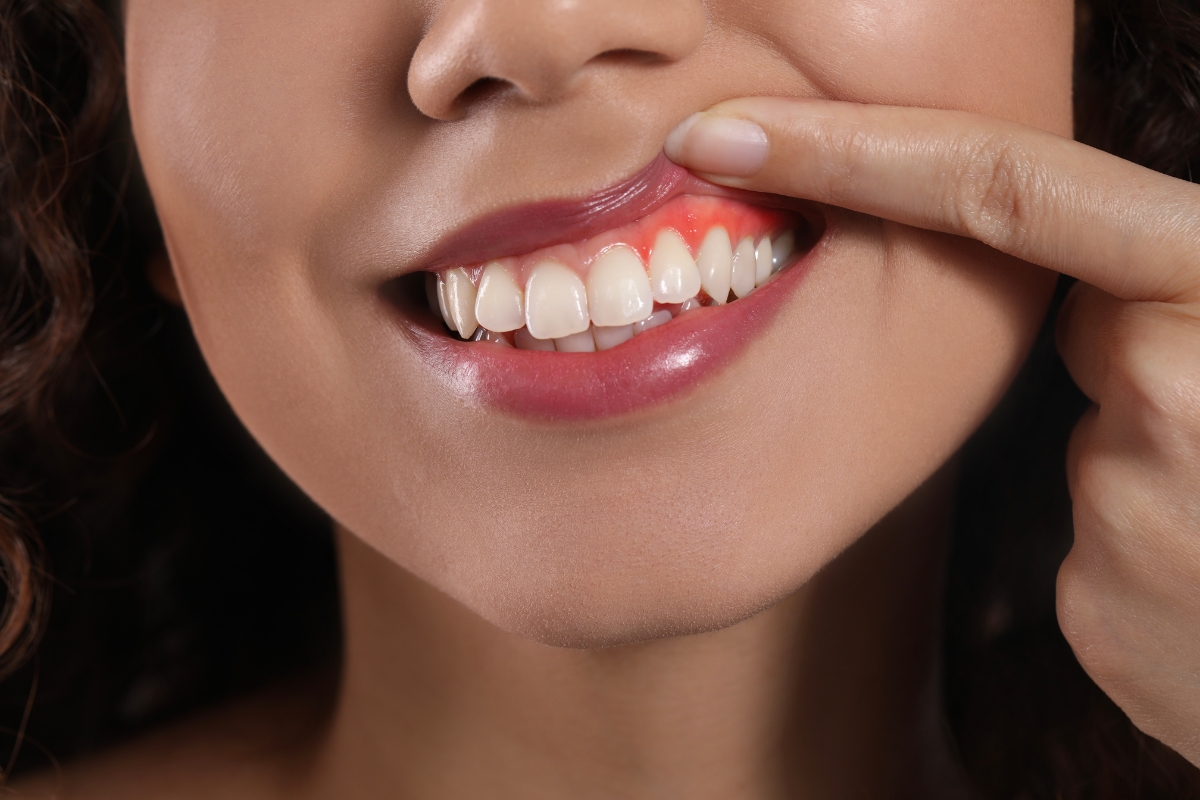
Gum infections can be extremely painful, and if left untreated, they tend to worsen. Swollen, bleeding gums or that stubborn bad breath? That’s your mouth waving a red flag. So what’s the best way to treat gum infections? Should you opt for oral antibiotics, or are topical ones more suitable? Let’s break down both options, so you know what to expect and how to make the right call for your situation.
First, let’s talk about what’s actually happening. Gum infections, also known as periodontal disease, progress through several stages. Sometimes it’s just mild gingivitis. Sometimes it’s a more advanced periodontitis. The culprit is usually plaque—a sticky layer of bacteria that clings to your teeth and gums. Skip out on brushing and flossing, and that plaque hardens into tartar. Before you know it, your gums are inflamed and infected.
If the infection penetrates the gum line, it can damage the tissue and even the bone that holds your teeth in place. In these cases, antibiotics help get things under control—especially if things have gotten out of hand. That’s where you have to choose: oral or topical antibiotics?
Let’s start with oral antibiotics.
Dentists usually suggest these when the infection is more serious—when it’s spread beyond the gum surface or is taking over a bigger part of your mouth. You take them as pills or in liquid form, and they enter your bloodstream to target bacteria everywhere, not just in your gums.
Why go with oral antibiotics?
- They cover more ground—good for spreading infections.
- They’re easy to take and usually only needed for a short while.
- If your infection is deep or advanced, oral antibiotics are more effective in clearing it up.
Now, what about topical antibiotics?
These come as gels, rinses, or creams that you apply directly to the infected area. They’re designed to eliminate the bacteria in your gums, and dentists usually use them for milder cases or alongside other treatments.
The perks of topical antibiotics:
- They target the problem area directly.
- Side effects are rare since they don’t travel through your whole body.
- They’re non-invasive and can work well in conjunction with other treatments, such as scaling and root planing.
On the other hand, topical antibiotics may not be sufficient if the infection is deep in your gums or has spread.
So, which one’s right for you?
Honestly, it depends on the severity of the infection. If you’re dealing with mild gingivitis, topical antibiotics may be sufficient. But if things have gotten more serious or the infection won’t go away, you’ll probably need oral antibiotics. Sometimes, dentists use both as part of a comprehensive antibiotic therapy for gum disease, in cases where the infection recurs. And don’t forget, treatments like scaling and root planing help significantly by removing the plaque and tartar that fuel the problem.
Regardless of which antibiotic you ultimately choose, maintaining good oral hygiene is essential. Brushing, flossing, and regular dental cleanings are what help prevent these infections from recurring.
Still unsure which treatment is best for your situation? Talk to your Elmhurst dentist. At Cosmos Modern Dental, we know gum disease inside and out, and we’re here to help with solutions tailored just for you. Contact us to begin your journey to a healthier, pain-free smile.
Frequently Asked Questions (FAQs)
- What are the common signs of gum infections?
Gum infections can cause swelling, redness, bleeding when brushing, and bad breath. If left untreated, they can lead to tooth loss and bone damage. - Are oral antibiotics always necessary for gum disease?
Oral antibiotics are generally prescribed for more severe gum infections or when the infection has spread. Mild cases may only require topical antibiotics or non-antibiotic treatments. - How can I prevent future gum infections?
Practicing good oral hygiene, including regular brushing and flossing, along with professional cleanings, is the best way to prevent gum infections. - Can I use over-the-counter treatments for gum infections?
Over-the-counter treatments may provide temporary relief, but they are generally ineffective in treating severe gum infections. Always consult your dentist for proper diagnosis and treatment.